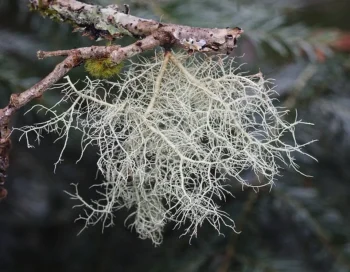
Beard Lichen: Nature’s Air Quality Detective in Your Garden
Have you ever noticed those wispy, gray-green strands hanging from tree branches like nature’s own Christmas tinsel? You might be looking at beard lichen (Usnea filipendula), one of the most fascinating and beneficial organisms you can find in a healthy garden ecosystem. While you can’t exactly plant this remarkable lichen, understanding its presence can tell you volumes about your garden’s environmental health.
What Exactly Is Beard Lichen?
Beard lichen isn’t actually a plant at all—it’s a unique partnership between fungi and algae living together in perfect harmony. This collaboration creates those distinctive pendulous, hair-like structures that earned it the common name beard lichen. The scientific name Usnea filipendula refers to this specific North American native species, though it’s been known by several other names throughout history, including Usnea caucasica and Usnea dasypoga.
These ethereal organisms drape themselves from tree branches, creating an almost mystical appearance in woodland settings. Their gray-green color and wispy texture add a unique visual element that you simply can’t replicate with traditional garden plants.
Where You’ll Find Beard Lichen
Beard lichen is native to North America and can be found across a wide range of climates and regions where air quality remains relatively pristine. You’re most likely to spot it in mature woodland areas, particularly hanging from the branches of both coniferous and deciduous trees.
Why Beard Lichen Is a Garden Superhero
Here’s where things get really exciting: beard lichen is essentially a living air quality monitor. These sensitive organisms are extremely intolerant of air pollution, particularly sulfur dioxide. If you find healthy populations of Usnea filipendula in your garden, congratulations—you’re breathing some pretty clean air!
The benefits of having beard lichen in your garden include:
- Air quality indication—its presence signals a healthy environment
- Ecosystem support—contributes to the overall biodiversity of your garden
- Natural beauty—adds unique texture and visual interest to mature trees
- Wildlife habitat—provides nesting material and shelter for small creatures
- Educational value—serves as a conversation starter about environmental health
How to Identify Beard Lichen
Spotting Usnea filipendula is easier than you might think once you know what to look for:
- Long, pendulous strands that hang from tree branches like gray-green hair
- Branching, thread-like structure that’s flexible when moist
- Gray to pale green coloration
- Grows on the bark of both living and dead trees
- Often found in clusters, creating a bearded appearance on branches
- Most abundant in areas with high humidity and good air circulation
Creating Conditions for Natural Occurrence
While you can’t plant beard lichen like a traditional garden species, you can encourage its natural appearance by maintaining the right conditions:
- Preserve mature trees, especially native species
- Avoid using chemical pesticides and fertilizers that could affect air quality
- Maintain good air circulation in your garden
- Keep humidity levels adequate through thoughtful watering practices
- Avoid disturbing existing lichen populations
- Support local environmental initiatives that promote clean air
A Living Testament to Garden Health
Finding beard lichen in your garden is like receiving a gold star from Mother Nature herself. These remarkable organisms thrive across USDA hardiness zones 3-9, but only where environmental conditions remain favorable. Their presence indicates that your garden is part of a healthy, functioning ecosystem.
Unlike many garden inhabitants, beard lichen asks for nothing from you except clean air and undisturbed growing conditions. It won’t compete with your plants for soil nutrients, won’t spread aggressively, and won’t require any maintenance. In return, it provides a unique aesthetic element and serves as a constant reminder that your garden is contributing to environmental health.
So the next time you spot those wispy, gray-green strands hanging from your trees, take a moment to appreciate these quiet guardians of air quality. Beard lichen may not be the showiest addition to your garden, but it’s certainly one of the most meaningful.