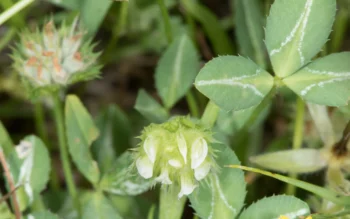
Bearded Clover: A Native Annual Worth Knowing
If you’re exploring native plants for your West Coast garden, you might come across bearded clover (Trifolium barbigerum), a charming little annual that’s quietly making its home in California and Oregon. While it may not be the showiest plant in your garden, this native forb has some interesting qualities that make it worth considering for the right spot.
What Is Bearded Clover?
Bearded clover is an annual forb native to the lower 48 states, specifically found growing wild in California and Oregon. As a member of the legume family, it shares the classic clover characteristics you’d expect, but with its own unique twist that gives it the bearded common name.
Like other forbs, bearded clover is a vascular plant that doesn’t develop significant woody tissue above ground. It completes its entire life cycle in one growing season, making it a true annual that relies on seeds to continue from year to year.
Where Does It Grow?
This native clover calls the Pacific Coast states home, with populations documented in California and Oregon. Its natural range suggests it’s adapted to the Mediterranean-like climates and diverse growing conditions found along the West Coast.
- Species observed
- No observations
Garden Potential and Growing Conditions
One of the most interesting aspects of bearded clover is its facultative wetland status. In both the Arid West and Western Mountains, Valleys, and Coast regions, it typically grows in wetland areas but can also thrive in non-wetland conditions. This flexibility makes it potentially useful for gardeners dealing with varying moisture conditions.
Here’s what this means for your garden:
- It can handle both wet and moderately dry conditions
- Perfect for rain gardens or areas with seasonal moisture changes
- Likely tolerates the boom-and-bust water cycles common in Western gardens
Why Consider Bearded Clover?
While information about this specific species is limited, as a native annual clover, it likely offers several garden benefits:
- Nitrogen fixation: Like other legumes, it probably helps improve soil by fixing atmospheric nitrogen
- Wildlife support: Native clovers typically provide food for various insects and small wildlife
- Low maintenance: Annual plants often require minimal care once established
- Ecological authenticity: Supports local ecosystems as a true native species
The Reality Check
Here’s the honest truth about bearded clover: it’s not well-documented in gardening circles, which means finding seeds or plants might be challenging. This could be because:
- It’s primarily a wildland species that hasn’t been widely cultivated
- It may have specific growing requirements that make it tricky to establish
- Other native clovers might be more readily available and better suited for gardens
Growing Tips (Based on General Clover Needs)
If you do manage to source bearded clover seeds, here are some general guidelines based on what most annual clovers prefer:
- Plant in fall or early spring for best germination
- Choose a location with good drainage despite its wetland tolerance
- Provide full sun to partial shade
- Avoid over-fertilizing, especially with nitrogen (it makes its own!)
- Allow plants to go to seed if you want them to return next year
Alternative Native Options
If bearded clover proves elusive, consider these well-established native alternatives that are easier to find and grow:
- Red clover (Trifolium pratense) – widely available and pollinator-friendly
- Miniature lupine (Lupinus bicolor) – another native legume with showy flowers
- Other native Trifolium species that may be more readily available in your region
The Bottom Line
Bearded clover represents the kind of quiet native plant that plays important ecological roles without demanding attention. While it might not be the easiest plant to incorporate into your garden, it’s worth knowing about as part of California and Oregon’s native plant heritage. If you’re a dedicated native plant enthusiast with access to seeds, it could be an interesting addition to a naturalistic garden or restoration project.
For most gardeners, however, focusing on more readily available native clovers and legumes will give you similar ecological benefits with far less hassle. Sometimes the best native gardening approach is working with what’s accessible while keeping an eye out for those special, lesser-known species like bearded clover.