Bearded Milkvetch: A Charming Native Annual for Southern Gardens
If you’re looking to add some delicate beauty to your native garden while supporting local pollinators, bearded milkvetch might just be the perfect addition to your landscape. This charming little annual has been quietly decorating the southeastern United States for centuries, and it’s ready to bring its understated elegance to your garden too.
Meet the Bearded Milkvetch
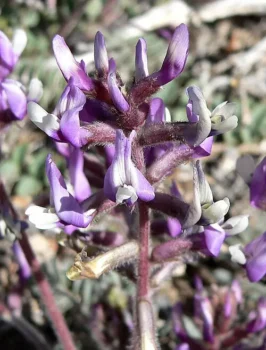
Bearded milkvetch (Astragalus villosus) gets its common name from the soft, silky hairs that cover its stems and leaves, giving the plant a distinctly fuzzy appearance. Don’t let the milkvetch part confuse you – this isn’t related to the common vetch you might know. Instead, it’s part of the legume family, which means it has the superpower of fixing nitrogen in the soil while looking pretty doing it.
As an annual plant, bearded milkvetch completes its entire life cycle in one growing season, making it a reliable self-seeding addition to naturalized areas and wildflower gardens.
Where Does It Call Home?
This southeastern native has made itself comfortable across six states: Alabama, Florida, Georgia, Mississippi, South Carolina, and Tennessee. It’s perfectly adapted to the climate and growing conditions of this region, which makes it a smart choice for gardeners who want plants that actually want to be there.
- Species observed
- No observations
Why You Might Want to Grow Bearded Milkvetch
Here’s why this modest little plant deserves a spot in your garden:
- Native credentials: Supporting local ecosystems never goes out of style
- Pollinator magnet: Native bees and other small pollinators love the small, clustered flowers
- Low maintenance: Once established, it’s pretty much hands-off gardening
- Soil improvement: Like other legumes, it naturally enriches soil with nitrogen
- Self-seeding: Plant it once, enjoy it for years as it reseeds naturally
What to Expect
Bearded milkvetch won’t win any height contests – it stays relatively low to the ground, making it perfect for the front of garden beds or naturalizing in meadow-style plantings. The flowers are small and typically white to pale yellow, arranged in compact clusters that appear in spring. While individual blooms might not stop traffic, the overall effect of a patch in bloom is quietly beautiful.
The real charm lies in those fuzzy, compound leaves that give the plant its common name. The soft, silvery-green foliage creates interesting texture contrasts with other native plants.
Growing Conditions and Care
The beauty of native plants like bearded milkvetch is that they’re already perfectly suited to local conditions. Here’s what this southeastern native prefers:
- Sunlight: Full sun for best flowering
- Soil: Well-drained sandy or clay soils; not picky about pH
- Water: Drought tolerant once established; avoid overwatering
- Climate: Thrives in USDA hardiness zones 8-10
Planting and Establishment
Getting bearded milkvetch started in your garden is refreshingly straightforward:
- Direct seed in fall for spring germination
- Scatter seeds in prepared soil and barely cover
- Water lightly until germination occurs
- Once established, step back and let nature take over
As a self-seeding annual, established plants will drop seeds that germinate the following season, creating naturalized drifts over time.
Garden Design Ideas
Bearded milkvetch works beautifully in:
- Native plant gardens alongside other southeastern wildflowers
- Prairie restoration projects
- Naturalized meadow areas
- Pollinator gardens
- Low-maintenance landscape borders
The Bottom Line
If you’re gardening in the southeastern United States and want to support native ecosystems while adding subtle beauty to your landscape, bearded milkvetch is worth considering. It won’t be the showiest plant in your garden, but it will be one of the most ecologically valuable. Plus, there’s something deeply satisfying about growing a plant that’s been thriving in your region long before any of us showed up with our gardening gloves and good intentions.
Just remember: this little annual prefers to do its own thing, so give it space to self-seed and naturalize. Sometimes the best gardening is simply getting out of nature’s way.