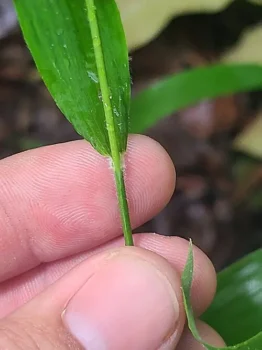
Bearded Shorthusk: A Delicate Native Grass for Shady Spots
If you’ve been searching for a graceful native grass that thrives in the shadows of your woodland garden, meet bearded shorthusk (Brachyelytrum erectum). This charming perennial grass might not win any flashy flower contests, but it brings a subtle elegance and gentle movement to shaded spaces that many gardeners find irresistible.
What Makes Bearded Shorthusk Special?
Bearded shorthusk is a true North American native, naturally occurring across a remarkable range from southeastern Canada all the way down to Florida and Puerto Rico, and stretching west into the Great Plains. This extensive native range speaks to its adaptability and ecological importance.
The grass gets its quirky common name from the distinctive bristly awns (beard-like projections) on its seed heads. These delicate, wispy features catch the light beautifully and add textural interest even when the plant isn’t in its prime growing season.
Where You’ll Find It Growing Wild
This adaptable grass calls home to an impressive list of locations across North America. You’ll find it naturally occurring in Alabama, Arkansas, Connecticut, Delaware, Florida, Georgia, Illinois, Indiana, Iowa, Kansas, Kentucky, Louisiana, Maryland, Massachusetts, Michigan, Minnesota, Mississippi, Missouri, Nebraska, New Jersey, New York, North Carolina, Ohio, Oklahoma, Pennsylvania, Rhode Island, South Carolina, Tennessee, Texas, Virginia, West Virginia, Wisconsin, and Puerto Rico. It also thrives in Canadian provinces including New Brunswick, Nova Scotia, Ontario, Quebec, and Newfoundland.
- Species observed
- No observations
Perfect for Shade Gardeners
Here’s where bearded shorthusk really shines – it’s one of the few grasses that actually prefers shade to partial shade conditions. While most ornamental grasses demand full sun, this woodland native has evolved to thrive under the canopy of trees and in naturally shaded environments.
The grass typically grows 1-3 feet tall with a similar spread, forming loose clumps that gently arch and sway. Its narrow leaves create fine texture that contrasts beautifully with broader-leafed woodland plants like hostas, ferns, and wild ginger.
Growing Conditions and Care
One of the best things about bearded shorthusk is how low-maintenance it can be once established. Here’s what it needs to thrive:
- Light: Shade to partial shade (perfect for under trees!)
- Soil: Adaptable to various soil types, from moist to moderately dry
- Hardiness: Cold hardy in USDA zones 3-9
- Water: Moderate moisture, drought tolerant once established
Classified as Facultative Upland across its range, this grass usually prefers non-wetland conditions but can tolerate occasional wet periods. This flexibility makes it an excellent choice for those tricky spots in your garden that are sometimes dry, sometimes moist.
Landscape Design Ideas
Bearded shorthusk works wonderfully in several garden settings:
- Woodland gardens: Plant it as a groundcover beneath trees
- Shade borders: Use as a textural element among flowering perennials
- Native plant gardens: Include it in naturalized areas for authentic local ecology
- Rain gardens: Its adaptability to varying moisture makes it suitable for these installations
Planting and Establishment Tips
Getting bearded shorthusk established is relatively straightforward. Plant it in spring or fall, giving each clump about 18-24 inches of space to spread naturally. The grass spreads slowly by underground rhizomes and may also self-seed in favorable conditions, but it’s not aggressive or invasive.
Water regularly the first season to help establish a strong root system. After that, it’s remarkably drought tolerant and requires minimal care. You can cut it back in late winter or early spring before new growth emerges, though some gardeners prefer to leave the seed heads for winter interest.
Wildlife and Ecological Benefits
While bearded shorthusk is wind-pollinated rather than insect-pollinated, it still contributes to local ecosystems in meaningful ways. The grass provides habitat and potential nesting material for small wildlife, and its seeds may be eaten by birds and small mammals.
As a native species, it supports the complex web of relationships that have evolved in North American ecosystems over thousands of years. Even seemingly modest plants like this grass play important roles in maintaining biodiversity.
Is Bearded Shorthusk Right for Your Garden?
Consider adding bearded shorthusk to your garden if you:
- Have shady areas that need interesting texture
- Want low-maintenance native plants
- Enjoy subtle, naturalistic garden design
- Need groundcover for woodland settings
- Appreciate plants with seasonal interest (those bearded seed heads!)
While it won’t provide the bold statement of a large hosta or the bright blooms of wildflowers, bearded shorthusk offers something equally valuable: quiet beauty, ecological authenticity, and the satisfaction of growing a plant that truly belongs in your local landscape. Sometimes the most rewarding garden additions are the ones that whisper rather than shout.