Beardless Wildrye: The Tough Prairie Grass Your Garden Needs
If you’re looking for a no-fuss native grass that can handle just about anything Mother Nature throws at it, let me introduce you to beardless wildrye (Leymus triticoides). This hardy perennial grass might not win any beauty contests, but what it lacks in flashy flowers, it more than makes up for in pure, stubborn resilience.
Meet the Beardless Wildrye
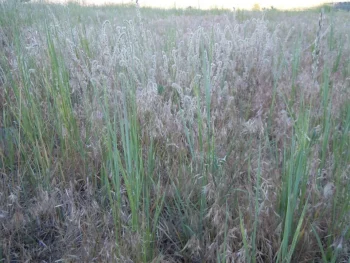
Also known as creeping wildrye, this tough customer is a true native across most of western North America. It’s the kind of plant that thrives where others give up – in salty soils, during droughts, and in spots where you need something that won’t quit. Growing up to 3 feet tall with a distinctly upright, somewhat coarse appearance, beardless wildrye isn’t trying to be pretty – it’s trying to survive and help your landscape do the same.
Where Does It Call Home?
Beardless wildrye is native throughout much of western North America, naturally occurring from British Columbia down through California and across to states like Colorado, Montana, and even Texas. You’ll find it growing wild in Arizona, California, Colorado, Idaho, Montana, Nevada, New Mexico, Oregon, Utah, Washington, and Wyoming. It’s also been introduced to Hawaii, where it’s established itself quite successfully.
- Species observed
- No observations
Why Your Garden Might Love This Grass
Here’s where beardless wildrye really shines – it’s the ultimate problem-solver plant. Got a slope that keeps washing away? This grass spreads by underground stems (rhizomes) and creates a living carpet that holds soil in place. Dealing with salty soil conditions that kill other plants? Beardless wildrye just shrugs and keeps growing. Tired of babying plants through dry spells? This drought champion can handle as little as 7 inches of annual precipitation.
The grass grows rapidly once established and has a long lifespan, making it an excellent investment for restoration projects, prairie gardens, and naturalistic landscapes. While it won’t give you showy flowers (the small yellow blooms are pretty unremarkable), it provides excellent structural backbone to native plant communities.
Perfect Spots for Planting
Beardless wildrye is ideal for:
- Erosion control on slopes and banks
- Prairie and meadow restorations
- Xeriscaping and drought-tolerant landscapes
- Areas with challenging soil conditions
- Large naturalistic plantings
- Wildlife habitat projects
Growing Conditions That Make It Happy
This grass is remarkably adaptable, but it does have some preferences. It thrives in USDA hardiness zones 3-9 and can handle winter temperatures down to -43°F (talk about cold hardy!). Beardless wildrye prefers:
- Soil: Adapts to medium and fine-textured soils; handles both alkaline conditions (pH up to 9.0) and moderate acidity (pH down to 6.0)
- Water: High drought tolerance once established, though it uses a fair amount of water when available
- Sun: Full sun – it won’t tolerate shade
- Salt: Excellent salt tolerance, making it perfect for roadside plantings or coastal areas
- Fire: High fire tolerance, bouncing back after burns
Planting and Care Tips
Getting beardless wildrye established is straightforward, though it does require a bit of patience initially:
Planting: Start with seed (about 170,000 seeds per pound!) or sprigs in spring. Seeds need cold stratification, so plant in fall or give them a cold, moist treatment before spring planting. Plant 3,000-11,000 plants per acre depending on your goals.
Early care: Seedlings start slowly with low vigor, so be patient the first year. Keep the area weed-free while young plants establish.
Ongoing maintenance: Once established, this grass is virtually maintenance-free. It spreads moderately by rhizomes but isn’t aggressive. The grass is active during spring, summer, and fall, going dormant in winter.
Water needs: Drought tolerant when mature, but appreciates supplemental water in very dry conditions.
What About Wildlife?
While beardless wildrye is primarily wind-pollinated (so it won’t attract butterflies and bees like wildflowers do), it serves other important ecological functions. Its dense growth provides cover for small wildlife, and the seeds, though not abundant, can feed birds and small mammals. The grass also creates habitat structure that supports the broader ecosystem.
The Verdict
Beardless wildrye might not be the star of your garden, but it’s definitely the reliable workhorse you can count on. If you need erosion control, want to establish a prairie planting, or have challenging growing conditions that defeat other plants, this tough native grass deserves serious consideration. It’s the plant equivalent of that dependable friend who’s always there when you need them – maybe not flashy, but absolutely invaluable.
Just remember: this grass needs full sun and room to spread. It’s not the right choice for small, formal gardens or shady spots. But for the right location and purpose, few plants can match its combination of toughness, utility, and native authenticity.