Beatley’s Milkvetch: A Rare Nevada Native Worth Protecting in Your Garden
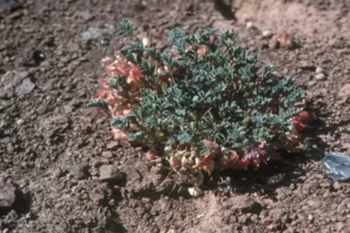
Meet Beatley’s milkvetch (Astragalus beatleyae), one of Nevada’s most precious botanical treasures. This little-known perennial might not be the showiest plant in your garden, but for native plant enthusiasts and conservation-minded gardeners, it represents something truly special – a chance to help preserve a rare piece of America’s natural heritage right in your own backyard.
What Makes This Plant Special?
Beatley’s milkvetch is a Nevada endemic, meaning it exists nowhere else on Earth except within the Silver State’s borders. This perennial member of the pea family produces delicate purple to lavender flowers that, while small, pack a punch when it comes to supporting local pollinators. The plant’s compact, low-growing form makes it a unique addition to specialized native plant collections.
Where Does It Come From?
This remarkable plant calls Nevada home, where it has adapted to some of the most challenging desert conditions imaginable. Unfortunately, Beatley’s milkvetch is considered imperiled, with a Global Conservation Status of S2. This means it’s extremely rare, with typically only 6 to 20 known occurrences and few remaining individuals in the wild.
- Species observed
- No observations
A Word of Caution: Rarity Matters
Before we dive into growing tips, let’s address the elephant in the room – this plant is rare. Really rare. If you’re considering adding Beatley’s milkvetch to your garden, you absolutely must source it responsibly. This means:
- Never collect seeds or plants from wild populations
- Only purchase from reputable native plant nurseries that propagate from legally obtained stock
- Consider joining conservation efforts rather than simply growing it as an ornamental
- Check with local botanical gardens or native plant societies about conservation programs
Is This Plant Right for Your Garden?
Beatley’s milkvetch isn’t for everyone, and that’s okay! This plant thrives in very specific conditions that mirror its native Nevada desert habitat. It’s perfect for:
- Xeriscape and water-wise gardens
- Native plant collections
- Conservation gardens focused on rare species
- Rock gardens with excellent drainage
- Educational landscapes highlighting Nevada’s unique flora
However, if you’re looking for a low-maintenance plant that provides instant curb appeal, you might want to consider other Nevada natives that are more readily available and less conservation-sensitive.
Growing Conditions and Care
If you do decide to grow Beatley’s milkvetch (and have sourced it responsibly), here’s what this desert native needs to thrive:
Climate: Best suited for USDA hardiness zones 7-9, matching Nevada’s diverse climate conditions.
Sunlight: Full sun is essential – this plant has evolved under the intense Nevada sun and won’t tolerate shade.
Soil: The key to success is excellent drainage. Think sandy, gravelly, or rocky soils that dry out quickly. Heavy clay or moisture-retentive soils will likely kill this plant.
Water: Once established, this plant requires minimal water. Overwatering is probably the quickest way to lose it. Water sparingly during the growing season and avoid watering entirely during dormant periods.
Planting and Care Tips
- Plant in spring when temperatures are warming but extreme heat hasn’t arrived
- Ensure your planting site has perfect drainage – consider raised beds or slopes
- Mulch with gravel or small rocks rather than organic mulch
- Avoid fertilizing – desert plants typically don’t need or want rich soils
- Be patient – desert perennials often grow slowly as they establish deep root systems
Wildlife and Pollinator Benefits
Despite its small stature, Beatley’s milkvetch punches above its weight when it comes to supporting wildlife. The flowers attract native bees and other small pollinators, making it a valuable addition to pollinator gardens. As a legume, it also helps improve soil nitrogen levels naturally.
The Bottom Line
Beatley’s milkvetch is a plant for the truly dedicated native plant gardener who understands the responsibility that comes with growing rare species. While it may not provide the instant gratification of more common garden plants, it offers something far more valuable – a connection to Nevada’s unique natural heritage and a chance to participate in conservation efforts.
If you’re not ready to take on the challenge of growing this rare beauty, consider supporting conservation organizations working to protect Nevada’s native plants, or explore other Nevada natives that are more readily available and equally worthy of a place in water-wise gardens.