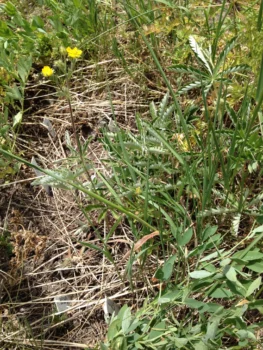
Beautiful Cinquefoil: A Charming Native Ground Cover for Your Garden
If you’re looking for a low-maintenance native plant that brings delicate beauty to your landscape, meet beautiful cinquefoil (Potentilla pulcherrima). This unassuming little perennial might not be the flashiest flower in the garden, but it’s got charm in spades and the kind of easygoing nature that makes gardeners smile.
What Makes Beautiful Cinquefoil Special?
Beautiful cinquefoil is a native North American forb – that’s garden-speak for a non-woody perennial herb. True to its name, this little beauty produces cheerful yellow flowers with five delicate petals that seem to glow in the garden. The palmately compound leaves, typically divided into 5-7 leaflets, create an attractive textured carpet that looks good even when the plant isn’t blooming.
You might also encounter this plant listed under its synonyms Potentilla camporum or Potentilla gracilis var. pulcherrima, but don’t let the scientific names intimidate you – this is one adaptable and forgiving plant.
Where Beautiful Cinquefoil Calls Home
This native gem has quite an impressive range across North America. You’ll find beautiful cinquefoil growing naturally from British Columbia and Manitoba in Canada, down through an extensive list of U.S. states including Arizona, Colorado, Idaho, Montana, Nevada, New Mexico, Oregon, Utah, Washington, and Wyoming. It also pops up in some surprising eastern locations like Connecticut, Minnesota, New Hampshire, and South Dakota.
- Species observed
- No observations
The plant’s wide distribution is a testament to its adaptability – it’s clearly figured out how to thrive in diverse climates and conditions.
Why Your Garden (and Local Wildlife) Will Love It
Beautiful cinquefoil isn’t just a pretty face. As a native plant, it has co-evolved with local ecosystems and provides valuable benefits that non-native plants simply can’t match. The small yellow blooms are magnets for bees, butterflies, and other pollinators who have been relying on plants like this for thousands of years.
From a design perspective, beautiful cinquefoil works wonderfully as a ground cover in wildflower gardens, naturalized areas, and native plant landscapes. Its low-growing habit and spreading nature make it perfect for filling in gaps and creating that coveted natural look that’s so hard to achieve with fussier plants.
Growing Beautiful Cinquefoil: It’s Easier Than You Think
Here’s the best news about beautiful cinquefoil – it’s remarkably easy to grow. This plant thrives in USDA hardiness zones 3-8, making it suitable for most North American gardens.
Ideal Growing Conditions
- Sunlight: Full sun to partial shade (it’s surprisingly flexible)
- Soil: Well-drained soils of various types
- Water: Drought tolerant once established, though it appreciates regular water during its first growing season
- Soil moisture: Interestingly, beautiful cinquefoil has a facultative wetland status, meaning it can handle both wet and dry conditions
Planting and Care Tips
Beautiful cinquefoil is one of those delightful plants that pretty much takes care of itself once established. Here’s how to set it up for success:
- Plant in spring or fall when temperatures are moderate
- Space plants appropriately as they’ll spread naturally via runners
- Water regularly the first year to help establish strong roots
- Divide every few years to prevent overcrowding and maintain vigor
- Minimal fertilization needed – native plants generally prefer lean soils
Perfect Garden Companions
Beautiful cinquefoil plays well with other native plants and works especially well in:
- Wildflower meadows and prairies
- Native plant gardens
- Naturalized landscapes
- Rock gardens (thanks to its drought tolerance)
- Areas where you want low-maintenance ground cover
The Bottom Line
Beautiful cinquefoil might not be the showiest plant in your garden, but it’s the kind of reliable, beneficial native that forms the backbone of a healthy landscape. It’s perfect for gardeners who want to support local ecosystems while enjoying a plant that won’t demand constant attention. Plus, there’s something deeply satisfying about growing a plant that truly belongs in your local environment – it just feels right.
Whether you’re creating a native plant sanctuary or just want to add some low-maintenance charm to your landscape, beautiful cinquefoil deserves a spot in your garden. Your local pollinators will thank you, and you’ll appreciate having such an easygoing beauty spreading its cheerful yellow blooms year after year.