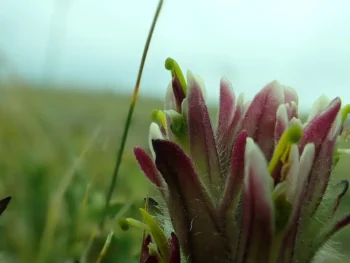
Beautiful Indian Paintbrush: A Stunning Native Wildflower for Your Garden
If you’ve ever hiked through the mountainous regions of the American West and been stopped in your tracks by brilliant splashes of red-orange color dotting the landscape, you’ve likely encountered the beautiful Indian paintbrush (Castilleja pulchella). This stunning native wildflower is like nature’s own paintbrush, creating vibrant masterpieces across alpine meadows and rocky slopes.
What Makes Beautiful Indian Paintbrush Special?
Beautiful Indian paintbrush is a perennial forb—essentially a non-woody flowering plant that comes back year after year. Unlike shrubs or trees, this charming wildflower stays relatively low to the ground but makes up for its modest stature with absolutely show-stopping blooms. The tubular flowers, ranging from bright red to orange-red, appear to be dipped in paint, hence the common name paintbrush.
Where Does Beautiful Indian Paintbrush Call Home?
This native beauty is naturally found across four western states: Idaho, Montana, Utah, and Wyoming. It’s perfectly adapted to the challenging conditions of the American West, from high elevation meadows to rocky mountain slopes.
- Species observed
- No observations
Why You’ll Want This Plant in Your Garden
Beautiful Indian paintbrush brings several compelling benefits to your landscape:
- Pollinator magnet: Those tubular flowers are perfectly designed for hummingbirds, and butterflies love them too
- Low maintenance: Once established, this drought-tolerant native requires minimal care
- Authentic western character: Adds genuine regional authenticity to native plant gardens
- Conservation value: Supporting native species helps preserve local ecosystems
- Unique beauty: The vibrant colors create stunning focal points in rock gardens and wildflower plantings
Perfect Garden Settings
Beautiful Indian paintbrush thrives in:
- Rock gardens and alpine-style landscapes
- Native plant gardens
- Xeriscaped areas (drought-tolerant landscaping)
- Wildflower meadows
- Naturalized areas with minimal irrigation
Growing Conditions and Care
This mountain native is surprisingly adaptable but has some specific preferences:
Climate: Hardy in USDA zones 3-7, making it suitable for areas with cold winters and moderate summers.
Sunlight: Prefers full sun to partial shade—at least 6 hours of direct sunlight daily for best flowering.
Soil: Well-drained soil is absolutely essential. Beautiful Indian paintbrush particularly appreciates alkaline soils and cannot tolerate waterlogged conditions.
Water: Drought tolerant once established, but appreciates occasional deep watering during extended dry periods in its first year.
Planting and Care Tips
Here’s how to give your beautiful Indian paintbrush the best start:
- Source responsibly: This species has a conservation status that requires attention, so only purchase from reputable native plant nurseries
- Plant in spring: Best planted after the last frost when soil is workable
- Prepare drainage: Amend heavy clay soils with sand or gravel to improve drainage
- Space appropriately: Allow adequate spacing for air circulation
- Minimal fertilization: Native plants generally don’t need fertilizer and may actually be harmed by rich soils
- Be patient: Like many natives, it may take a season or two to become fully established
A Word About Conservation
Beautiful Indian paintbrush has a conservation status that deserves our attention. When adding this plant to your garden, make sure you’re purchasing from nurseries that propagate their own plants rather than wild-collecting. This helps protect wild populations while still allowing you to enjoy this gorgeous native in your landscape.
The Bottom Line
Beautiful Indian paintbrush is a fantastic choice for gardeners who want to create authentic western landscapes while supporting native wildlife. Its stunning flowers, low-maintenance nature, and ecological benefits make it a winner for the right garden setting. Just remember to source it responsibly and give it the well-drained conditions it craves. With proper care, you’ll be rewarded with those spectacular paintbrush blooms that make the western landscape so memorable.