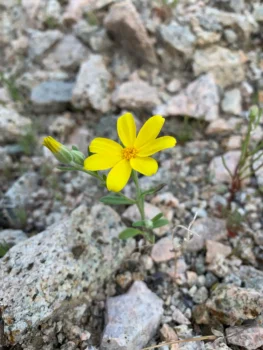
Beautiful Woolly Sunflower: A Lesser-Known Native Gem
If you’re looking to add authentic California and Nevada native plants to your garden, the beautiful woolly sunflower (Eriophyllum ambiguum var. paleaceum) might just be the charming annual you’ve been searching for. While this particular variety doesn’t get as much attention as some of its flashier cousins, it offers the reliable beauty and ecological benefits that make native plants so valuable in sustainable gardening.
What Makes This Plant Special
The beautiful woolly sunflower is a true native of the American Southwest, specifically found growing wild in California and Nevada. As an annual forb, this herbaceous plant completes its entire life cycle in a single growing season, making it perfect for gardeners who enjoy changing up their landscape year to year or filling in gaps while perennial plants establish themselves.
Unlike woody shrubs or trees, this sunflower variety stays soft and herbaceous throughout its growth, with its perennating buds developing at or below ground level. This growth habit makes it an excellent choice for filling in the understory of native plant gardens or creating seasonal interest in naturalized areas.
- Species observed
- No observations
Where It Thrives
Being native to the diverse ecosystems of California and Nevada, the beautiful woolly sunflower has adapted to the unique growing conditions of the American Southwest. While specific growing requirements for this particular variety are not well-documented, its native range suggests it’s likely adapted to:
- Mediterranean-type climates with dry summers
- Well-draining soils
- Full sun to partial sun conditions
- Lower water requirements once established
Garden Design Considerations
As an annual forb, the beautiful woolly sunflower works wonderfully in several garden settings:
- Native plant gardens: Perfect for authentic regional landscapes
- Wildflower meadows: Adds seasonal color and texture
- Water-wise gardens: Supports drought-tolerant landscaping goals
- Pollinator gardens: Like other Eriophyllum species, likely provides nectar and pollen
The Reality Check: Limited Information
Here’s where I need to be honest with you: specific growing information for Eriophyllum ambiguum var. paleaceum is surprisingly scarce. This particular variety seems to fly under the radar in most gardening resources, which means you might be pioneering its use in home landscapes!
If you’re determined to grow this specific variety, your best bet is to:
- Contact native plant societies in California or Nevada
- Reach out to botanical gardens in the plant’s native range
- Connect with specialized native plant nurseries
- Consider growing the more widely available Eriophyllum species as alternatives
Why Choose Native Plants Like This One
Even with limited specific information, there are compelling reasons to seek out native varieties like the beautiful woolly sunflower:
- They’re perfectly adapted to local climate conditions
- They support regional ecosystems and wildlife
- They typically require less water and maintenance once established
- They help preserve local genetic diversity
- They connect your garden to the natural heritage of your area
Moving Forward
While we’d love to give you a complete growing guide for the beautiful woolly sunflower, this plant seems to be one of those hidden gems that needs more attention from both botanists and gardeners. If you do manage to source and grow this variety, consider documenting your experience – you might be contributing valuable knowledge for future native plant enthusiasts!
In the meantime, exploring other well-documented Eriophyllum species can give you that lovely woolly sunflower aesthetic while you hunt for this particular variety. Sometimes the journey of discovering lesser-known natives is just as rewarding as the destination.