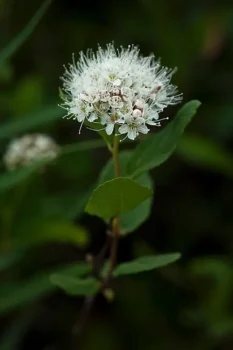
Beauverd Spirea: A Hardy Northern Native for Cold-Climate Gardens
If you’re gardening in the far north and looking for a reliable, beautiful shrub that can handle whatever Mother Nature throws at it, meet the beauverd spirea (Spiraea stevenii). This tough-as-nails native might not be as well-known as its showier cousins, but it’s got plenty of charm and an impressive ability to thrive where other plants might throw in the towel.
What Is Beauverd Spirea?
Beauverd spirea is a perennial, multi-stemmed woody shrub that typically stays under 13-16 feet tall, though most specimens are considerably smaller. As a native species, it naturally occurs in Alaska and western Canada, making it perfectly adapted to harsh northern conditions. You might also see it listed under its synonyms Spiraea beauverdiana in some older references, but Spiraea stevenii is the current accepted name.
Where Does It Naturally Grow?
This northern beauty calls Alaska, British Columbia, Yukon, and the Northwest Territories home. It’s a true child of the north, evolved to handle long winters, short growing seasons, and the kind of weather that makes other plants pack up and head south.
- Species observed
- No observations
Why Consider Beauverd Spirea for Your Garden?
There are several compelling reasons why this native shrub deserves a spot in northern gardens:
- Incredible hardiness: Thriving in USDA zones 2-6, this plant laughs at cold temperatures that would devastate most other shrubs
- Native plant benefits: Supporting local ecosystems and requiring minimal inputs once established
- Pollinator magnet: The clusters of small white to pink flowers attract bees, butterflies, and other beneficial insects
- Low maintenance: Once settled in, it’s remarkably self-sufficient
- Seasonal interest: Lovely flowers in late spring/early summer, with foliage that often develops attractive reddish tones in fall
Perfect Garden Settings
Beauverd spirea isn’t the shrub for formal, manicured landscapes – and that’s perfectly fine! It shines in:
- Naturalistic and wildlife gardens
- Native plant landscapes
- Informal cottage-style gardens
- Mixed shrub borders
- Areas where you want reliable, low-maintenance beauty
Growing Conditions and Care
One of beauverd spirea’s best features is its adaptability. Here’s what it prefers:
- Sunlight: Full sun to partial shade
- Soil: Well-draining soil, but adaptable to various soil types
- Water: Usually occurs in non-wetland conditions but can tolerate occasional wet periods
- Maintenance: Minimal once established
Planting and Care Tips
Getting beauverd spirea established is refreshingly straightforward:
- Plant in spring after the last frost for best establishment
- Space plants according to expected mature size
- Water regularly the first season while roots establish
- Apply a light pruning after flowering if needed to maintain shape
- Mulch around the base to retain moisture and suppress weeds
Supporting Northern Wildlife
As a native species, beauverd spirea plays an important role in supporting local ecosystems. The flowers provide nectar and pollen for various pollinators, while the shrub itself can offer nesting sites and shelter for small birds and beneficial insects.
Is Beauverd Spirea Right for Your Garden?
If you’re gardening in zones 2-6 and want a reliable, native shrub that supports local wildlife while providing seasonal beauty, beauverd spirea is definitely worth considering. It’s particularly valuable for gardeners who appreciate plants with a story – this one tells the tale of northern resilience and natural adaptation.
While it may not have the flashy flowers of some hybrid spireas, its authentic northern character and ecological value make it a worthy addition to cold-climate gardens. Plus, there’s something deeply satisfying about growing a plant that’s perfectly at home in your local environment – no coddling required!