Growing Beavertail Grass: A California Native Gem for Your Garden
If you’re looking to add a touch of California’s natural beauty to your garden, beavertail grass (Calochortus coeruleus) might just be the perfect choice. This charming native perennial brings both ecological value and stunning visual appeal to the right landscape setting.
What is Beavertail Grass?
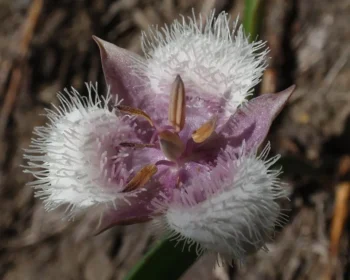
Despite its common name suggesting a grass, beavertail grass is actually a member of the lily family and classified as a forb – essentially a flowering herbaceous plant without woody stems. This California native is a true perennial that emerges each year from underground bulbs, producing elegant cup-shaped flowers that range from blue to purple hues.
Botanically known as Calochortus coeruleus, this species has quite a history of name changes, with several synonyms including Cyclobothra coerulea and various spelling variations that botanists have used over the years.
Where Does Beavertail Grass Grow Naturally?
Beavertail grass is endemic to California, meaning it naturally occurs nowhere else in the world. You’ll find it growing wild in the Sierra Nevada foothills and select coastal mountain ranges throughout the Golden State.
- Species observed
- No observations
Should You Plant Beavertail Grass?
There are several compelling reasons to consider adding beavertail grass to your garden, but also some important considerations to keep in mind.
The case for planting: As a California native, this plant is perfectly adapted to the state’s Mediterranean climate and supports local ecosystems. Its beautiful flowers attract native pollinators, particularly bees, making it an excellent choice for pollinator gardens. Plus, once established, it’s quite drought-tolerant and requires minimal maintenance.
Important considerations: Beavertail grass has a conservation status of S3S4, indicating it may be somewhat rare or declining in parts of its range. If you choose to plant it, make absolutely sure you’re purchasing from reputable nurseries that source their bulbs responsibly – never collect from wild populations.
Garden Design and Landscape Use
Beavertail grass shines in several garden settings:
- Native California wildflower gardens
- Rock gardens and well-draining slopes
- Mediterranean-style landscapes
- Naturalized areas and wildlife gardens
- Drought-tolerant perennial borders
The plant’s grass-like foliage and delicate flowers provide a lovely contrast to broader-leaved native shrubs and complement other California natives beautifully.
Growing Conditions and Care
Success with beavertail grass comes down to mimicking its natural habitat conditions:
Sunlight: Full sun to partial shade – it appreciates some afternoon shade in very hot climates.
Soil: Well-draining soil is absolutely critical. Heavy clay or areas that stay wet will likely kill the bulbs. Sandy or rocky soils work well.
Water: This plant follows California’s natural rainfall pattern – it needs moisture during fall, winter, and spring growing seasons but prefers to stay dry during summer dormancy.
USDA Hardiness Zones: Zones 7-10, making it suitable for most of California and similar Mediterranean climates.
Planting and Care Tips
Here’s how to give your beavertail grass the best start:
- Timing: Plant bulbs in fall (October-November) before the rainy season begins
- Depth: Plant bulbs about 3-4 inches deep in well-amended, fast-draining soil
- Spacing: Allow 6-8 inches between bulbs for natural clustering
- Watering: Water during active growth (fall through spring), then allow natural summer dormancy with little to no irrigation
- Mulching: A light layer of gravel mulch can help with drainage and weed suppression
What to Expect
Don’t expect instant gratification – beavertail grass typically takes a year or two to become well-established. The foliage emerges in fall or early winter, flowers appear in late spring to early summer, and then the plant goes dormant during the hot, dry summer months. This is completely normal and healthy!
During its active season, you’ll enjoy narrow, grass-like leaves and those gorgeous cup-shaped flowers that make this species so special. The blooms typically last several weeks and provide important nectar sources for native pollinators.
The Bottom Line
Beavertail grass can be a wonderful addition to California native gardens and water-wise landscapes, but it’s definitely a plant for gardeners who appreciate subtlety and natural seasonal rhythms. If you’re willing to work with its natural growth cycle and can provide the well-draining conditions it needs, you’ll be rewarded with a beautiful native plant that supports local wildlife while adding authentic California character to your garden.
Just remember – always source your plants responsibly from reputable native plant nurseries to help protect wild populations of this special California endemic.