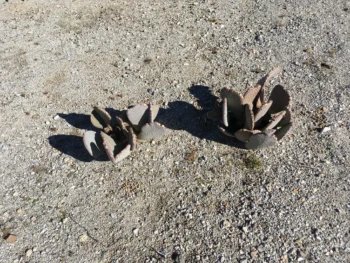
Beavertail Pricklypear: A Desert Beauty for Water-Wise Gardens
If you’re looking to add some desert charm to your landscape while embracing water-wise gardening, the beavertail pricklypear might just be your new best friend. This native southwestern beauty brings stunning blooms and unique architectural form to gardens that celebrate our natural heritage.
What Makes Beavertail Pricklypear Special?
The beavertail pricklypear (Opuntia basilaris var. basilaris) earns its common name from its distinctive flat, paddle-shaped segments that resemble a beaver’s tail. This perennial shrub is a true native of the American Southwest, naturally occurring across Arizona, California, Nevada, and Utah, where it thrives in some of our continent’s most challenging desert environments.
- Species observed
- No observations
As a native plant species to the lower 48 states, this cactus has spent thousands of years adapting to local conditions, making it an excellent choice for gardeners who want to work with nature rather than against it.
Garden Appeal and Landscape Role
Don’t let the word cactus fool you into thinking this plant is just about survival – beavertail pricklypear is genuinely gorgeous. In spring, it produces vibrant pink to magenta flowers that create a stunning contrast against the blue-green to purple-tinted pads. These blooms aren’t just pretty; they’re magnets for desert pollinators including bees and butterflies.
In landscape design, beavertail pricklypear serves multiple roles:
- Architectural focal point in rock gardens and desert landscapes
- Ground cover for slopes and areas where traditional grass struggles
- Living sculpture that provides year-round interest
- Habitat plant that supports local wildlife and pollinators
Where Does It Grow Best?
This desert native is perfectly suited for:
- Xeriscape and drought-tolerant gardens
- Rock gardens and desert-themed landscapes
- Modern, minimalist outdoor spaces
- Areas with poor, rocky, or sandy soil
Beavertail pricklypear thrives in USDA hardiness zones 8-11, making it ideal for gardeners in warmer climates who want to reduce water usage while maintaining beautiful outdoor spaces.
Growing Conditions and Care
The beauty of growing native plants like beavertail pricklypear lies in their low-maintenance nature. Here’s what this desert dweller needs to thrive:
Sun and Soil: Full sun is essential – this plant has evolved to bask in intense desert sunlight. Well-draining soil is absolutely critical; soggy conditions will quickly kill your pricklypear. Sandy or rocky soil that drains quickly is ideal.
Water Wisdom: Once established, beavertail pricklypear is incredibly drought-tolerant. Water sparingly during the growing season and avoid watering during winter dormancy. Overwatering is far more dangerous than underwatering for this desert native.
Planting Tips: Plant in spring or fall when temperatures are moderate. Dig a hole slightly wider than the root ball but no deeper – these plants prefer to sit at or slightly above soil level to ensure proper drainage.
A Word of Caution
While beavertail pricklypear doesn’t have the large spines of many cacti, it does have tiny, barbed bristles called glochids that can be irritating to skin. Always wear thick gloves when handling, and plant away from high-traffic areas where people might accidentally brush against it.
Supporting Local Ecosystems
By choosing native plants like beavertail pricklypear, you’re doing more than creating a beautiful garden – you’re supporting local wildlife and contributing to habitat conservation. Native plants have co-evolved with local pollinators and wildlife, providing the specific resources these creatures need to thrive.
The beavertail pricklypear offers a perfect example of how native gardening can be both beautiful and beneficial. Its stunning spring blooms, architectural form, and minimal care requirements make it an excellent choice for gardeners ready to embrace the beauty of desert-adapted plants.