Beavertip Draba: A Rare Rocky Mountain Alpine Gem
If you’re looking for a truly unique native plant that brings a touch of the high Rocky Mountains to your garden, beavertip draba (Draba globosa) might just be your next gardening adventure. This petite perennial is as charming as it is challenging, offering experienced gardeners the chance to cultivate a piece of alpine wilderness right at home.
What Makes Beavertip Draba Special?
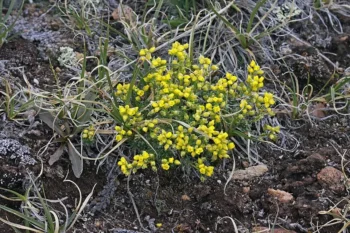
Beavertip draba is a low-growing herbaceous perennial that forms compact cushions or mats of foliage. In spring and early summer, these little plants burst into bloom with clusters of tiny white to pale yellow flowers that create a delightful carpet of color. The rounded flower clusters give this plant its distinctive appearance and contribute to its charm in alpine settings.
As a native forb, beavertip draba lacks woody stems but compensates with its hardy perennial nature and ability to thrive in some of the harshest mountain conditions. Its compact growth habit makes it perfect for tucking into rock crevices or spreading across rocky slopes.
Where Does It Call Home?
This Rocky Mountain native has a relatively limited range, naturally occurring in Colorado, Idaho, Montana, Utah, and Wyoming. You’ll typically find it growing at high elevations where the air is thin, the summers are short, and the growing conditions are tough.
- Species observed
- No observations
A Word About Rarity
Here’s something important to know before you fall head-over-heels for this alpine beauty: beavertip draba has a Global Conservation Status of S3, meaning it’s considered vulnerable in the wild. With typically only 21 to 100 occurrences and between 3,000 to 10,000 individuals total, this little plant needs our help to thrive.
If you decide to grow beavertip draba, please source it responsibly from reputable native plant nurseries that propagate their stock rather than wild-collect it. Never harvest from wild populations.
Is Beavertip Draba Right for Your Garden?
Let’s be honest – this isn’t a plant for everyone or every garden. Beavertip draba is best suited for:
- Rock gardens with excellent drainage
- Alpine garden collections
- Specialized native plant gardens
- Xeriscaping projects in appropriate climates
- USDA hardiness zones 3-6
This plant shines in gardens that mimic its natural mountain habitat, where it can serve as a unique ground cover that brings authentic Rocky Mountain character to your landscape design.
Growing Conditions: Think High and Dry
Success with beavertip draba means recreating those harsh mountain conditions it loves:
- Sunlight: Full sun is essential
- Soil: Well-draining, rocky, or sandy soil is crucial
- Water: Low moisture requirements – overwatering is often fatal
- Drainage: Excellent drainage is non-negotiable
- Mulch: Use gravel mulch rather than organic mulch
Planting and Care Tips
Growing beavertip draba successfully requires patience and attention to detail:
- Plant in spring after the last frost
- Amend heavy soils with plenty of coarse sand and gravel
- Water sparingly and only during extended dry periods
- Avoid fertilizers – this plant prefers lean conditions
- Protect from excessive winter moisture
- Be prepared for slow establishment and growth
Benefits for Wildlife and Pollinators
While small, beavertip draba’s flowers are valuable to tiny native pollinators including small native bees, flies, and other beneficial insects. In its natural habitat, it plays an important role in high-elevation ecosystems, providing nectar sources during the brief mountain growing season.
The Bottom Line
Beavertip draba is a plant for the dedicated native plant enthusiast who appreciates subtle beauty and enjoys the challenge of growing something truly special. While it requires specific conditions and careful sourcing due to its vulnerable status, successfully growing this Rocky Mountain gem can be incredibly rewarding.
If you’re new to native gardening or prefer low-maintenance plants, you might want to start with more adaptable native species. But if you’re ready for an alpine adventure and have the right growing conditions, beavertip draba could be the unique centerpiece your rock garden has been waiting for.