Bebb Willow: A Hardy Native Shrub for Wet Spots and Wildlife
If you’ve got a soggy spot in your yard that makes you scratch your head wondering what to plant, let me introduce you to Bebb willow (Salix bebbiana). This tough-as-nails native shrub might just be the answer to your waterlogged woes – and your local wildlife will thank you for it!
What is Bebb Willow?
Bebb willow is a perennial, multi-stemmed woody shrub that typically grows 4-5 meters (13-16 feet) tall, though it can get taller under the right conditions. Like other willows, it’s a fast-growing plant that’s perfectly at home in wet conditions where many other shrubs would throw in the towel.
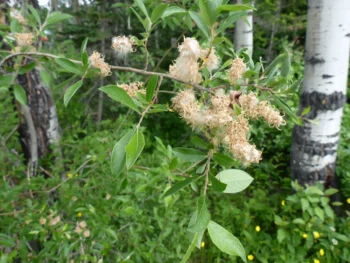
This hardy native has oval to elliptic leaves that show off a beautiful blue-green to gray-green color on top with silvery-white undersides that shimmer in the breeze. Come fall, the foliage turns a lovely golden yellow before dropping for winter.
Where Does Bebb Willow Call Home?
Talk about a well-traveled native! Bebb willow is native to an impressive range across North America. You’ll find it naturally growing from Alaska all the way down through Canada and across much of the northern and western United States. It thrives in states from coast to coast, including Alaska, California, Maine, Arizona, and everywhere in between – making it one of the most widely distributed native shrubs on the continent.
- Species observed
- No observations
The Wet Spot Specialist
Here’s where Bebb willow really shines: it’s classified as Facultative Wetland across most of its range, meaning it usually hangs out in wetlands but can handle drier spots too. In Alaska, it’s even more flexible and can grow in both wet and dry conditions. This makes it perfect for:
- Rain gardens and bioswales
- Stream banks and pond edges
- Wet depressions in your yard
- Areas with seasonal flooding
- Erosion control on slopes
Why Your Garden (and Local Wildlife) Will Love It
Bebb willow isn’t just tough – it’s incredibly valuable for wildlife. Those early spring catkins appear before the leaves, providing crucial nectar and pollen when pollinators are desperately searching for their first meals of the season. Bees, in particular, go crazy for willow flowers!
The dense, multi-stemmed growth habit creates excellent nesting sites for birds, while the twigs and bark provide food for various wildlife species. It’s like setting up a wildlife bed-and-breakfast in your backyard.
Perfect Places to Plant
Bebb willow works beautifully in:
- Native plant gardens where you want authentic regional character
- Naturalized landscapes that mimic wild settings
- Wildlife gardens focused on supporting local fauna
- Rain gardens designed to handle stormwater
- Restoration projects along waterways
- Informal landscape borders where a wilder look is desired
Growing Conditions Made Simple
The beauty of Bebb willow is its easygoing nature. Here’s what it needs to thrive:
- Sunlight: Full sun to partial shade (though it flowers best in full sun)
- Soil: Loves moist to wet soils but tolerates various soil types, including heavy clay
- Hardiness: Extremely cold-hardy, thriving in USDA zones 2-7
- pH: Adaptable to different soil pH levels
Planting and Care Tips
Getting Bebb willow established is refreshingly straightforward:
When to Plant: Spring or fall are ideal planting times, giving the roots time to establish before extreme weather.
Planting: Dig a hole as deep as the root ball and twice as wide. In wet areas, you might not need to amend the soil at all – this plant actually prefers what many others consider problem soil.
First Year Care: Water regularly during the first growing season, even though it’s destined for wet spots. This helps establish a strong root system.
Ongoing Maintenance: Here’s the best part – Bebb willow is practically maintenance-free once established. You can prune it in late winter if you want to control size or shape, but it’s not necessary.
A Word of Caution
While Bebb willow is fantastic for the right spot, keep in mind that it can be an aggressive spreader through underground runners. This makes it excellent for erosion control but potentially problematic in small, formal gardens. Give it room to roam, or be prepared to manage its enthusiasm with occasional pruning of new shoots.
The Bottom Line
If you’re looking for a low-maintenance, wildlife-friendly native that can handle your yard’s wet spots with grace, Bebb willow deserves serious consideration. It’s particularly valuable in our changing climate, where managing stormwater and supporting pollinators are increasingly important. Plus, there’s something deeply satisfying about growing a plant that’s been thriving in North American landscapes for thousands of years.
Just remember to give it space to spread and enjoy watching it become a hub of wildlife activity in your garden. Your local bees, birds, and other critters will definitely approve of your choice!