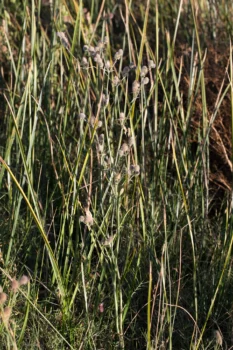
Beethistle: The Spiky Native That Thrives in Wet Spots
If you’re looking for a plant that’s equal parts architectural marvel and pollinator magnet, let me introduce you to beethistle (Eryngium articulatum). This native perennial might sound intimidating with its thistle-like name, but it’s actually a fantastic addition to any garden that can accommodate its love for wet feet.
What Makes Beethistle Special
Beethistle is a true American native, naturally occurring across California, Idaho, Oregon, and Washington. This perennial forb brings a unique sculptural quality to gardens with its distinctive spiky, blue-purple flower heads that sit atop rigid stems like botanical crowns.
- Species observed
- No observations
As an obligate wetland plant, beethistle almost always occurs in wetlands in both the Arid West and Western Mountains, Valleys, and Coast regions. This means it’s perfectly adapted to handle conditions that would drown many other garden plants.
Garden Appeal and Design Uses
Standing 2-4 feet tall and spreading 1-2 feet wide, beethistle serves as an excellent structural accent plant. Its architectural form adds vertical interest and unique texture that contrasts beautifully with softer, more traditional garden plants. The spiky flower heads create dramatic focal points and provide year-round interest even after blooming.
This native gem works wonderfully in:
- Rain gardens where water naturally collects
- Bog gardens and wetland restoration projects
- Native plant gardens focused on regional species
- Naturalized areas near ponds or streams
Pollinator and Wildlife Benefits
Beethistle is a pollinator powerhouse, attracting native bees, butterflies, and other beneficial insects with its nectar-rich flowers. The unique flower structure provides landing platforms for various pollinators, making it an essential component of any wildlife-friendly garden.
Growing Conditions and Care
The key to beethistle success is understanding its wetland nature. This plant thrives in USDA hardiness zones 7-10 and has some specific requirements:
- Sunlight: Full sun to partial shade
- Soil: Consistently moist to wet soils
- Water: Requires constant moisture – think bog-like conditions
- Maintenance: Low maintenance once established in proper conditions
Planting and Care Tips
Since beethistle is an obligate wetland plant, success depends on recreating its natural habitat:
- Choose the wettest spot in your garden or create a rain garden
- Ensure soil stays consistently moist throughout the growing season
- Plant in spring after the last frost
- Space plants 1-2 feet apart to allow for mature spread
- Mulch around plants to help retain moisture
- Once established, beethistle is quite low-maintenance
Is Beethistle Right for Your Garden?
Beethistle is perfect for gardeners who:
- Have naturally wet areas or want to create rain gardens
- Appreciate unique, architectural plants
- Want to support native pollinators and wildlife
- Live in the Pacific Northwest or similar climates
However, beethistle might not be the best choice if you have well-draining soil and can’t provide consistent moisture. This plant’s wetland requirements are non-negotiable.
For gardeners in beethistle’s native range looking for a distinctive, low-maintenance perennial that doubles as pollinator habitat, this spiky beauty offers both form and function. Just remember: give it the wet feet it craves, and beethistle will reward you with years of architectural interest and buzzing wildlife activity.