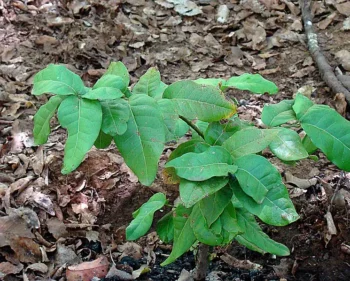
Beilschmiedia: A Native Caribbean Tree Worth Considering
If you’re looking to add a touch of Caribbean authenticity to your landscape, you might want to get acquainted with beilschmiedia. This native tree genus brings a slice of tropical paradise right to your backyard, especially if you’re gardening in Puerto Rico or the U.S. Virgin Islands.
What Exactly Is Beilschmiedia?
Beilschmiedia is a perennial tree that belongs to the laurel family. These aren’t your typical backyard saplings – we’re talking about substantial trees that typically grow taller than 13 to 16 feet, sporting a classic single trunk that gives them that dignified tree presence you’d expect in a tropical setting. Though under certain environmental conditions, some may develop a more multi-stemmed, shorter growth habit.
Where Does It Call Home?
This tree is a true Caribbean native, naturally occurring in Puerto Rico and the U.S. Virgin Islands. When you plant beilschmiedia, you’re not just adding greenery – you’re supporting the local ecosystem with a plant that has deep roots (literally and figuratively) in the region.
- Species observed
- No observations
Why Consider Beilschmiedia for Your Landscape?
Here’s where things get interesting for native plant enthusiasts. As a native species, beilschmiedia offers several compelling reasons to earn a spot in your garden:
- Authentic local character: Nothing says genuine Caribbean landscape like native trees
- Established adaptation: These trees have evolved specifically for local climate conditions
- Ecosystem support: Native plants typically provide better habitat and food sources for local wildlife
- Low maintenance potential: Plants adapted to local conditions often require less intensive care
What We Know About Growing Beilschmiedia
Here’s where I have to be honest with you – detailed growing information for beilschmiedia is somewhat limited in readily available sources. What we do know is that as a native Caribbean tree, it’s likely adapted to:
- Tropical and subtropical climates
- The natural rainfall patterns of Puerto Rico and the U.S. Virgin Islands
- Local soil conditions
Planning Your Beilschmiedia Landscape
Given its tree stature (typically over 13-16 feet), beilschmiedia works well as:
- A specimen tree for larger properties
- Part of a native tree canopy
- Natural windbreak or privacy screen
- Foundation planting for tropical landscape designs
The Bottom Line on Beilschmiedia
If you’re gardening in Puerto Rico or the U.S. Virgin Islands, beilschmiedia represents an opportunity to garden with nature rather than against it. As a native species, it’s likely to thrive in local conditions while supporting the broader ecosystem.
However, I’d recommend connecting with local native plant societies, botanical gardens, or agricultural extension offices in your area for specific growing advice and to source plants responsibly. They’ll have the most current information about availability, specific growing requirements, and whether there are any particular considerations for your specific location.
Remember, when we choose native plants, we’re not just creating beautiful landscapes – we’re participating in the preservation and celebration of our local natural heritage. And that’s something worth growing!