Bejuco de Lira: The Caribbean’s Most Intriguing Climbing Vine
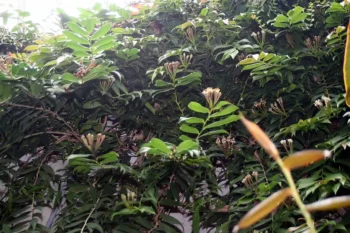
If you’re looking for a conversation starter in your tropical garden, meet the bejuco de lira (Marcgravia rectiflora) – a native Caribbean climbing vine that’s about as far from ordinary as plants get. This perennial climber doesn’t just grow; it puts on a show with some of the most unusual and eye-catching features you’ll find in the plant kingdom.
What Makes Bejuco de Lira Special?
The bejuco de lira is a twining, climbing plant with relatively long stems that can be woody or herbaceous, making it a versatile addition to any tropical landscape. What really sets this vine apart are its spectacular pitcher-shaped bracts that look almost too exotic to be real. These colorful structures aren’t just for show – they’re sophisticated hummingbird and bat magnets that have evolved specifically to attract these important pollinators.
You might also encounter this plant under its synonyms Marcgravia brittoniana or sometimes mistakenly as Marcgravia trinitatis, but rest assured – you’re getting the same remarkable climber regardless of the name.
Where Does It Call Home?
This climbing beauty is native to Puerto Rico and the U.S. Virgin Islands, where it thrives in the humid, tropical conditions of the Caribbean. Its natural range extends across these island territories, making it a perfect choice for gardeners in similar climates.
- Species observed
- No observations
Why Your Garden Will Love This Vine
Bejuco de lira brings several compelling benefits to the right garden setting:
- Unique visual appeal: Those distinctive pitcher-shaped bracts create an almost otherworldly appearance
- Pollinator magnet: Hummingbirds and bats will flock to your garden for the specialized nectar rewards
- Vertical interest: Perfect for adding climbing elements to arbors, trellises, or naturalistic tree plantings
- Native plant benefits: Supports local ecosystems when grown in its native range
Is This the Right Plant for Your Space?
Before you fall head over heels for this exotic climber, consider whether your garden can meet its needs. Bejuco de lira is best suited for:
- Tropical and subtropical gardens (USDA zones 10-12)
- Rainforest or naturalistic shade gardens
- Spaces with climbing structures like pergolas or arbors
- Gardens where you want to attract hummingbirds and bats
This vine has a wetland status of Facultative Upland in the Caribbean region, meaning it usually prefers non-wetland conditions but can tolerate some moisture – perfect for those in-between spots in your garden.
Growing Your Bejuco de Lira Successfully
Growing this tropical climber successfully is all about recreating its native Caribbean forest conditions:
Location and Light
Choose a spot with partial to full shade, protected from harsh direct sunlight. Think forest floor conditions – bright but filtered light works best.
Soil and Moisture
Provide well-draining soil that stays consistently moist but never waterlogged. High organic content helps mimic the rich forest floor this vine loves.
Humidity and Temperature
High humidity is non-negotiable – this plant needs that tropical moisture in the air. If you’re growing it in a greenhouse or conservatory, maintain humidity levels above 60%.
Support Structures
As a climbing vine, bejuco de lira needs something to climb. Provide sturdy trellises, allow it to climb trees, or install it near pergolas and arbors where it can show off those amazing bracts.
The Bottom Line
Bejuco de lira isn’t for every gardener – it demands tropical conditions and specific care. But for those lucky enough to garden in zones 10-12, especially in its native Caribbean range, this vine offers something truly special. The combination of unique aesthetics, pollinator benefits, and native plant status makes it worth the effort for the right garden setting.
Just remember: this is a plant that likes to climb and spread, so give it plenty of space and a strong support system. With the right conditions, you’ll be rewarded with one of the most unusual and captivating climbing plants you can grow.