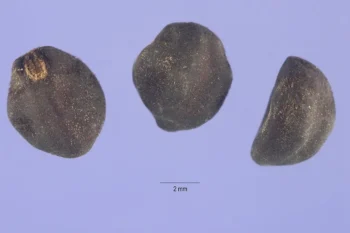
Bejuco de Puerco: A Charming Native Morning Glory for Caribbean Gardens
If you’re gardening in the Caribbean and looking for a native vine that brings both beauty and ecological value to your landscape, let me introduce you to bejuco de puerco (Ipomoea setifera). This delightful member of the morning glory family might not have the most glamorous common name, but don’t let that fool you – this native charmer has plenty to offer the environmentally conscious gardener.
What is Bejuco de Puerco?
Bejuco de puerco is a perennial herbaceous vine native to Puerto Rico and the U.S. Virgin Islands. As a forb, it lacks the woody stems of shrubs and trees, instead producing flexible, climbing stems that can gracefully weave through your garden. You might also encounter this plant listed under its botanical synonyms Ipomoea palustris or Ipomoea rubra in older gardening references.
Where Does It Grow Naturally?
This native beauty calls the Caribbean home, specifically thriving in Puerto Rico and the Virgin Islands. In its natural habitat, you’ll find it growing in areas that range from wetlands to slightly drier locations, making it quite adaptable to different moisture conditions.
- Species observed
- No observations
Why Consider Growing Bejuco de Puerco?
There are several compelling reasons to welcome this native vine into your garden:
- Native plant benefits: Supporting local ecosystems and requiring less water and maintenance once established
- Pollinator magnet: The attractive pink to purple funnel-shaped flowers provide nectar for butterflies, bees, and hummingbirds
- Wetland tolerance: Classified as a facultative wetland plant, making it perfect for rain gardens or naturally moist areas
- Low maintenance: Once established, this hardy perennial requires minimal care
- Natural beauty: Heart-shaped leaves and cheerful morning glory flowers add tropical charm
Perfect Garden Settings
Bejuco de puerco shines in several garden situations:
- Native plant gardens focusing on Caribbean flora
- Coastal landscapes where salt tolerance is important
- Rain gardens and bioswales for natural water management
- Naturalized areas where it can spread and fill space
- Pollinator gardens designed to support local wildlife
Growing Conditions and Care
One of the best things about growing native plants is how well-adapted they are to local conditions. Bejuco de puerco thrives in USDA hardiness zones 10-11, making it suitable for year-round outdoor cultivation in tropical and subtropical climates.
Sunlight: Provide full sun to partial shade for optimal growth and flowering.
Soil: This adaptable vine tolerates various soil types but prefers moist to wet conditions. It’s particularly happy in areas that occasionally flood or remain consistently damp.
Water: While drought-tolerant once established, regular watering during dry periods will keep your plant happiest and most floriferous.
Space considerations: Like many vines, bejuco de puerco can spread enthusiastically. Give it room to roam or be prepared to manage its growth in smaller spaces.
Planting and Maintenance Tips
- Plant in spring after any danger of frost has passed (though this is rarely a concern in zones 10-11)
- Provide support structures if you want vertical growth, or let it ramble as ground cover
- Water regularly during the first growing season to establish strong roots
- Mulch around the base to retain soil moisture
- Prune as needed to control spread or maintain desired shape
- Watch for vigorous growth and manage accordingly in smaller garden spaces
A Word About Growth Habits
As with many native vines, bejuco de puerco can be quite vigorous once established. While this makes it excellent for covering large areas or filling in naturalized spaces, gardeners with limited space should be prepared to provide regular pruning to keep it in bounds. Think of it as enthusiastic rather than aggressive – it’s just happy to be growing in conditions it loves!
Supporting Caribbean Biodiversity
By choosing to grow bejuco de puerco, you’re not just adding beauty to your landscape – you’re actively supporting the native ecosystem of the Caribbean. Native plants like this one have co-evolved with local wildlife, providing the specific resources that native pollinators, birds, and other creatures need to thrive.
Whether you’re creating a dedicated native plant garden or simply looking to add some local character to your landscape, bejuco de puerco offers an excellent combination of ecological value, easy care, and natural beauty. Just remember to give it the space it needs to show off its enthusiastic growing habits!