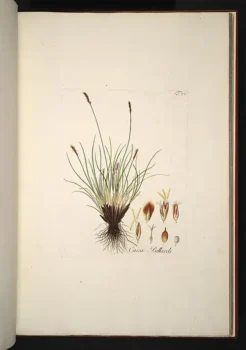
Bellardi Bog Sedge: A Hardy Alpine Native for Specialized Gardens
If you’re drawn to the rugged beauty of alpine landscapes and want to bring a piece of the high country to your garden, Bellardi bog sedge might just be the plant you’ve been looking for. This unassuming little sedge, scientifically known as Kobresia myosuroides, is a true survivor that thrives in some of North America’s most challenging environments.
What Is Bellardi Bog Sedge?
Bellardi bog sedge is a perennial graminoid – essentially a grass-like plant that belongs to the sedge family. Don’t let the bog in its name fool you completely; while it appreciates moisture, this hardy little plant is quite adaptable when it comes to wetland conditions. You might also see it referred to by its scientific synonyms Elyna bellardii or Kobresia bellardii in older gardening references.
This sedge forms dense, low-growing tufts that hug the ground – a classic adaptation to the harsh winds and extreme conditions of its native alpine and arctic habitats.
Where Does It Call Home?
Bellardi bog sedge is a true North American native with an impressive range that spans from the Arctic to high mountain peaks. You’ll find this resilient plant naturally occurring across Alaska, throughout much of Canada (including Alberta, British Columbia, Manitoba, Ontario, Quebec, Yukon, Northwest Territories, and Nunavut), and extending into Greenland and Labrador-Newfoundland.
In the lower 48 states, it makes its home in the mountainous regions of California, Colorado, Idaho, Montana, New Mexico, Oregon, Utah, Washington, and Wyoming – essentially wherever you find cool, high-elevation conditions.
- Species observed
- No observations
Why Consider Planting Bellardi Bog Sedge?
Here’s the thing about Bellardi bog sedge – it’s not going to be the showstopper of your garden. But if you’re creating a specialized alpine garden, rock garden, or native plant collection, this little sedge offers some unique benefits:
- Extremely hardy and cold-tolerant (thrives in USDA zones 2-6)
- Low-maintenance once established
- Excellent for erosion control on slopes
- Authentic addition to alpine and arctic plant collections
- Drought-tolerant once established, despite its moisture preferences
The Reality Check: Is This Plant Right for You?
Let’s be honest – Bellardi bog sedge isn’t for everyone. This plant has very specific needs and won’t thrive in typical suburban gardens. Its wetland status varies by region, ranging from facultative (equally happy in wet or dry conditions) in some areas to facultative upland (preferring drier conditions) in others, particularly in Alaska and the Arid West.
You should consider this plant if you:
- Live in a cool, northern climate (zones 2-6)
- Have experience with specialized native plants
- Want to create an authentic alpine or arctic garden
- Need erosion control for challenging sites
Growing Bellardi Bog Sedge Successfully
If you’re up for the challenge, here’s what Bellardi bog sedge needs to thrive:
Climate Requirements: This sedge absolutely requires cool temperatures and is best suited for northern gardens or high-elevation sites. It’s adapted to short growing seasons and long, cold winters.
Soil Conditions: Well-draining soil is essential, though the plant appreciates consistent moisture during the growing season. It’s adapted to nutrient-poor soils, so don’t worry about heavily fertilizing.
Light Requirements: Full sun to partial shade works well, though in warmer climates, some afternoon shade may be beneficial.
Maintenance: Once established, this sedge requires minimal care. Avoid overwatering in warm weather, and resist the urge to pamper it – this plant thrives on benign neglect.
The Bottom Line
Bellardi bog sedge is definitely a specialized plant for specialized gardens. While it won’t provide showy flowers or attract hordes of pollinators (it’s wind-pollinated), it offers authentic alpine character and bulletproof hardiness for the right garden situation.
If you’re passionate about native plants and have the right growing conditions, this little sedge can be a fascinating addition to your collection. Just remember – success with Bellardi bog sedge is all about matching your garden conditions to its natural habitat preferences. When you get it right, you’ll have a tough, long-lived plant that truly connects your garden to North America’s wild alpine landscapes.