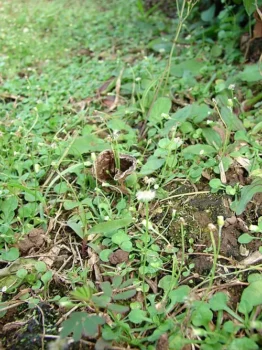
Bellorita (Erigeron bellioides): A Little-Known Daisy for Warm Climate Gardens
Meet bellorita, a modest member of the daisy family that’s quietly making its home in tropical and subtropical regions. While you might not find this annual forb at your local nursery, understanding what makes Erigeron bellioides tick can help you make informed decisions about your garden’s plant palette.
What Exactly is Bellorita?
Bellorita is an annual forb, which simply means it’s a non-woody plant that completes its entire life cycle in one growing season. Like other members of the Erigeron genus, it produces small daisy-like flowers and maintains a low-growing habit without developing any significant woody stems.
As a forb, bellorita puts its energy into flowers and seeds rather than building up woody structure, making it a quick-growing addition to areas where you want seasonal color and texture.
Where Does Bellorita Call Home?
Here’s where things get interesting with this little plant. Bellorita is native to Puerto Rico, but it has established itself as a non-native species in several other locations including Hawaii, Guam, and Palau. In these areas, it reproduces on its own and has become part of the naturalized flora.
- Species observed
- No observations
Should You Plant Bellorita in Your Garden?
The answer depends largely on where you’re gardening and your goals for your landscape. Since bellorita isn’t currently listed as invasive or noxious, it’s not necessarily harmful to grow, but there are some considerations:
- If you’re in Puerto Rico, you’re working with a true native species that belongs in your local ecosystem
- If you’re gardening elsewhere in its current range, you’re dealing with a non-native that has already established itself
- Limited information is available about its specific garden performance and requirements
Growing Conditions and Care
While specific growing information for bellorita is limited, we can glean some insights from its wetland status across different regions:
- In the Atlantic and Gulf Coastal Plain, it’s classified as Facultative Upland, meaning it prefers non-wetland conditions but can tolerate some moisture
- In the Caribbean, it’s Obligate Upland, indicating it rarely tolerates wet conditions
- In Hawaii, it’s simply Facultative, suggesting it’s adaptable to both wet and dry conditions
This suggests bellorita is quite adaptable to different moisture levels depending on the climate, but generally prefers well-draining soils.
A Better Alternative: Consider Native Options
Given the limited information available about bellorita’s garden performance and its non-native status in most areas where it’s found, you might want to consider native alternatives that offer similar characteristics:
- Look for native Erigeron species in your area that provide the same daisy-like flowers
- Explore other native annual forbs that offer seasonal interest
- Consult with local native plant societies for region-specific recommendations
The Bottom Line
Bellorita represents one of those plants that exists in the gardening world but doesn’t get much attention. While it’s not problematic where it’s established, the lack of detailed growing information and its non-native status in most of its current range make it less than ideal for most gardeners.
Your garden will likely benefit more from well-researched native alternatives that provide similar aesthetic value while supporting local ecosystems. If you’re curious about daisy-family plants, start with native species that come with proven track records and detailed growing guides.