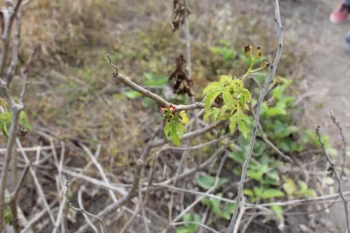
Bellyache Bush: A Tropical Shrub with Bold Beauty and Caution Required
Meet the bellyache bush (Jatropha gossypiifolia), a tropical shrub that’s as intriguing as its unusual common name suggests. This perennial forb brings a touch of exotic flair to warm-climate gardens, but like many beautiful plants, it comes with some important considerations for responsible gardeners.
What Is Bellyache Bush?
Bellyache bush is a perennial herbaceous plant that lacks significant woody tissue, classifying it as a forb rather than a traditional shrub. Despite this technical classification, it grows with the appearance and structure of a small shrub, making it a popular choice for tropical landscaping.
Where Does It Come From?
This plant has a complex native status across different regions. In the continental United States, bellyache bush is considered non-native and has established itself in Florida through natural reproduction. It’s also naturalized in Hawaii and several Pacific islands including Guam and Palau. However, it is native to Puerto Rico and the U.S. Virgin Islands, where it occurs naturally as part of the local ecosystem.
Currently, you can find bellyache bush growing in Florida, Hawaii, Guam, Palau, Puerto Rico, and the Virgin Islands.
- Species observed
- No observations
The Appeal of Bellyache Bush
What draws gardeners to this plant? Bellyache bush offers several attractive features:
- Distinctive reddish stems that add architectural interest
- Palmate leaves that may display purple undersides for added color contrast
- Small, clustered red flowers that provide bright pops of color
- Compact growth habit suitable for smaller spaces
- Drought tolerance once established
Garden Role and Landscape Use
In appropriate climates, bellyache bush works well as an ornamental specimen plant, low hedge, or accent piece in tropical garden designs. It fits particularly well in xerophytic gardens designed for water conservation and coastal landscapes where salt tolerance is beneficial.
This plant thrives in USDA hardiness zones 9b through 11, making it suitable for the warmest parts of the United States year-round.
Growing Conditions and Care
Bellyache bush is refreshingly low-maintenance for such an attractive plant:
- Light: Full sun to partial shade
- Soil: Well-draining soil is essential
- Water: Drought tolerant once established, requiring minimal supplemental watering
- Maintenance: Can be pruned to maintain desired shape and size
Wetland Considerations
Bellyache bush is classified as an obligate upland plant in most regions, meaning it almost never occurs in wetlands. However, in Hawaii, it has a facultative wetland status, indicating it can adapt to both wetland and non-wetland conditions.
Pollinator and Wildlife Benefits
The small red flowers of bellyache bush do provide some pollinator support, particularly attracting butterflies and other small pollinators. However, as a non-native species in most areas where it’s cultivated, it may not provide the same level of ecological benefit as native alternatives.
Should You Plant Bellyache Bush?
This is where responsible gardening comes into play. While bellyache bush can be an attractive addition to tropical gardens, consider these factors:
Reasons to consider it:
- Low maintenance once established
- Attractive foliage and flowers
- Drought tolerant
- Suitable for coastal conditions
Reasons to think twice:
- Non-native in most areas where it’s grown
- May not support local wildlife ecosystems as effectively as native plants
- Has established naturalized populations, indicating potential for spread
Native Alternatives to Consider
If you’re drawn to bellyache bush but prefer supporting native ecosystems, consider researching native alternatives in your region that offer similar aesthetic appeal. Local native plant societies and extension offices can provide excellent recommendations for plants that will thrive in your specific climate while supporting local wildlife.
Final Thoughts
Bellyache bush represents the complex choices modern gardeners face between ornamental appeal and ecological responsibility. While it’s not classified as invasive in available data, its non-native status in most cultivation areas suggests careful consideration is warranted. Whatever you choose, the key is making informed decisions that align with your gardening goals and environmental values.