Beloperone: The Desert’s Hidden Gem for Water-Wise Gardens
If you’re searching for a show-stopping native plant that laughs in the face of drought while attracting every hummingbird in the neighborhood, let me introduce you to beloperone (Justicia californica). This unsung hero of the desert garden might just become your new favorite plant – and your water bill will thank you for it!
What Is Beloperone?
Beloperone, also known by its synonym Beloperone californica, is a perennial shrub that’s as tough as it is beautiful. This multi-stemmed woody plant typically grows to a manageable 3-5 feet tall and wide, making it perfect for gardens where you want impact without overwhelming your space.
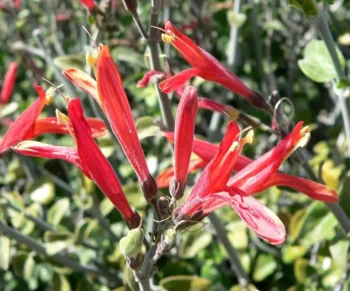
Don’t let the scientific name intimidate you – this plant is all about easy-going charm. With its gracefully arching branches and gray-green foliage, beloperone brings a soft, natural texture to any landscape. But the real magic happens when it blooms, producing clusters of vibrant red-orange tubular flowers that seem to glow against the desert backdrop.
Where Does Beloperone Call Home?
This desert native has its roots firmly planted in the Sonoran Desert, naturally occurring throughout southern California and Arizona. You’ll find wild populations thriving in the harsh beauty of desert washes, rocky slopes, and canyon bottoms from sea level up to about 2,500 feet in elevation.
- Species observed
- No observations
Why Your Garden (and Local Wildlife) Will Love Beloperone
Here’s where beloperone really shines – it’s like a bustling café for your local wildlife! Those tubular flowers aren’t just pretty to look at; they’re perfectly designed for hummingbirds, who can’t resist diving beak-first into each bloom. Butterflies and native bees are frequent visitors too, making your garden a hub of delightful activity.
But the benefits don’t stop at wildlife attraction. Once established, beloperone is incredibly drought tolerant, requiring minimal supplemental watering even in the hottest summers. This makes it an absolute champion for water-wise gardening and xeriscape designs.
Perfect Spots for Planting Beloperone
Beloperone isn’t picky, but it does have preferences. Here’s where it truly thrives:
- Xeriscape gardens: A natural fit for low-water landscapes
- Desert and Mediterranean-style gardens: Complements other drought-tolerant natives beautifully
- Informal hedges: Creates a lovely, soft barrier without looking rigid
- Specimen plantings: Makes a stunning focal point, especially when in bloom
- Pollinator gardens: Essential for attracting hummingbirds and butterflies
Growing Beloperone Successfully
Location and Soil Requirements
Beloperone loves soaking up the sun but can tolerate some afternoon shade, especially in the hottest climates. The key to success is well-draining soil – this plant absolutely cannot tolerate wet feet. If your soil tends to hold water, consider planting on a slope or in a raised bed. Alkaline soils are preferred, which is great news for many desert gardeners dealing with naturally high-pH soils.
Climate Considerations
This desert dweller is hardy in USDA zones 9-11, making it perfect for the Southwest and other warm, dry climates. It can handle light frosts but may suffer damage in prolonged freezing temperatures.
Planting and Care Tips
The best time to plant beloperone is in fall or early spring when temperatures are moderate. Here’s how to set your plant up for success:
- Watering: Water deeply but infrequently once established. During the first year, provide regular water to help establish roots, then back off significantly
- Pruning: Light pruning after the main flowering period helps maintain shape and encourages more blooms
- Mulching: Apply a 2-3 inch layer of gravel or decomposed granite mulch around the base to help retain moisture and regulate soil temperature
- Fertilizing: Generally unnecessary in native soils, but a light application of low-nitrogen fertilizer in spring can boost flowering
A Few Things to Keep in Mind
While beloperone is generally low-maintenance, it does have a few quirks. The plant can look a bit sparse during its dormant period, so consider pairing it with evergreen companions for year-round interest. Also, in extremely hot climates, some afternoon shade can help prevent stress during brutal summer months.
The Bottom Line
If you’re gardening in zones 9-11 and want a plant that combines stunning flowers, wildlife appeal, and water-wise credentials, beloperone deserves a spot in your garden. This native beauty proves that you don’t have to sacrifice gorgeous blooms for sustainability – sometimes you can have both! Plus, there’s something deeply satisfying about growing a plant that’s perfectly adapted to your local climate and supports the creatures that call your area home.
Ready to welcome some hummingbirds to your garden? Beloperone might just be the perfect plant to roll out the red (or should we say orange?) carpet!