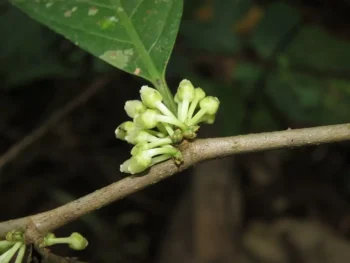
Bengal Rinorea: A Rare Pacific Island Native Worth Knowing
Meet the Bengal rinorea (Rinorea bengalensis), a charming shrub that calls some of the most remote and beautiful islands in the Pacific home. While you might not find this plant at your local nursery, it represents the unique flora that makes Pacific island ecosystems so special.
What Makes Bengal Rinorea Special?
This perennial shrub belongs to the Violaceae family and typically grows as a multi-stemmed woody plant reaching heights of 13 to 16 feet under ideal conditions. Like many island natives, Bengal rinorea has adapted to thrive in the specific conditions of its Pacific island home, making it a true testament to nature’s ability to create specialized plants for unique environments.
You might occasionally see this plant listed under its botanical synonyms, Rinorea carolinensis or Rinorea palaucica, which can make tracking down information about it a bit like a botanical treasure hunt!
Where Does It Call Home?
Bengal rinorea is native to the Pacific Basin, specifically found growing naturally in Guam and Palau. These tropical islands provide the warm, humid conditions that this shrub has evolved to love over countless generations.
- Species observed
- No observations
Should You Try Growing Bengal Rinorea?
Here’s where things get interesting – and a bit challenging. While Bengal rinorea is undoubtedly a fascinating native plant, finding it for your garden might prove quite difficult. This shrub isn’t commonly available in the nursery trade, which means most gardeners won’t have the opportunity to grow it.
If you’re lucky enough to live in or visit Guam or Palau, you might encounter this plant in its natural habitat. For the rest of us, Bengal rinorea serves as a reminder of the incredible diversity of plant life that exists in remote corners of our world.
Growing Conditions (If You’re Lucky Enough to Find It)
Based on its native habitat, Bengal rinorea would likely thrive in:
- USDA hardiness zones 10-12 (tropical to subtropical climates)
- Warm, humid conditions year-round
- Protection from strong winds
- Well-draining soil that retains some moisture
- Partial shade to filtered sunlight
A Plant Worth Protecting
While we don’t have specific information about Bengal rinorea’s conservation status, many Pacific island plants face challenges from habitat loss and climate change. Plants like this one remind us why protecting island ecosystems is so crucial – they harbor unique species that exist nowhere else on Earth.
If you’re passionate about Pacific island flora and find yourself in Guam or Palau, take a moment to appreciate any native plants you encounter. They represent millions of years of evolution in some of the world’s most isolated ecosystems.
For the Curious Gardener
Can’t get your hands on Bengal rinorea? Consider exploring other members of the violet family (Violaceae) that might be more readily available in your area. Many violets and their relatives offer beautiful flowers, interesting foliage, and important benefits for local wildlife.
While Bengal rinorea remains something of a botanical mystery for most of us, it serves as a fascinating example of the specialized plants that make Pacific island ecosystems so unique and worth protecting.