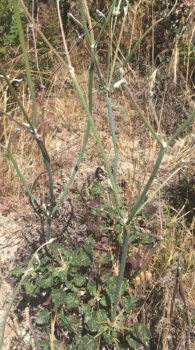
Ben Lomond Buckwheat: A Rare California Native Worth Growing Responsibly
If you’re looking to add a touch of California’s unique botanical heritage to your garden, Ben Lomond buckwheat (Eriogonum nudum var. decurrens) might just be the perfect choice. This charming perennial native offers delicate beauty while supporting local wildlife, but there’s an important conservation story behind this special plant that every gardener should know.
What Makes Ben Lomond Buckwheat Special?
Ben Lomond buckwheat is a perennial forb herb, meaning it’s a non-woody plant that comes back year after year. What makes it truly remarkable is its extremely limited native range – this variety is endemic to a small area in California’s Santa Cruz Mountains, specifically around the Ben Lomond region. This makes it one of those botanical treasures that tells the story of California’s incredible plant diversity.
The plant produces clusters of small, white to pinkish flowers that bloom on tall, slender stems, creating an airy, delicate appearance in the garden. Even after the blooms fade, the attractive seed heads provide continued interest and food for birds.
Geographic Distribution and Conservation Status
This buckwheat variety grows naturally only in California, making it a true Golden State endemic. However, gardeners should be aware that Ben Lomond buckwheat has a Global Conservation Status of S5T2, indicating it’s considered rare in its native range.
- Species observed
- No observations
Important Conservation Considerations
Before you rush to add this beauty to your garden, here’s something crucial to consider: due to its rarity status, it’s essential to source Ben Lomond buckwheat only from reputable native plant nurseries that propagate their plants responsibly. Never collect seeds or plants from wild populations, as this can harm already vulnerable native stands.
By choosing to grow this rare native responsibly, you’re actually contributing to conservation efforts by creating additional populations and raising awareness about California’s unique flora.
Why Grow Ben Lomond Buckwheat?
Despite its rarity – or perhaps because of it – there are compelling reasons to include this plant in your garden:
- Supports native pollinators including bees and butterflies
- Extremely drought-tolerant once established
- Low-maintenance and doesn’t require fertilizers
- Provides habitat and food for local wildlife
- Adds authentic California native character to landscapes
- Helps preserve genetic diversity of rare plants
Perfect Garden Settings
Ben Lomond buckwheat thrives in:
- Native California plant gardens
- Mediterranean-style landscapes
- Drought-tolerant and water-wise gardens
- Wildlife and pollinator gardens
- Naturalistic plantings
Growing Conditions and Care
This hardy native is surprisingly easy to grow once you understand its preferences. Ben Lomond buckwheat is suitable for USDA hardiness zones 9-10 and loves:
- Full sun exposure
- Well-draining, sandy soils
- Minimal water once established
- No supplemental fertilizers (actually prefers lean soils)
Planting and Care Tips
For the best success with your Ben Lomond buckwheat:
- Plant in fall when natural rains will help establish roots
- Ensure excellent drainage – this plant hates wet feet
- Water regularly the first year, then reduce to occasional deep watering
- Avoid rich, amended soils which can cause weak, floppy growth
- Allow seed heads to remain for wildlife food and natural reseeding
- Pair with other California natives for a cohesive, low-maintenance landscape
The Bottom Line
Ben Lomond buckwheat offers gardeners a chance to grow a truly special piece of California’s botanical heritage while supporting conservation efforts. Its delicate beauty, pollinator benefits, and drought tolerance make it an excellent choice for appropriate gardens – just remember to source it responsibly from reputable native plant nurseries. By growing this rare native thoughtfully, you’re not just adding a beautiful plant to your garden; you’re helping preserve California’s irreplaceable natural legacy for future generations.