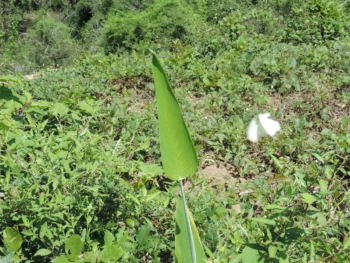
Bent Alligator-Flag: The Dramatic Water Garden Star You Need to Know
If you’re looking to add some serious wow-factor to your water garden or wetland landscape, let me introduce you to one of nature’s most striking architectural plants: the bent alligator-flag (Thalia geniculata). This impressive native perennial might just be the missing piece your soggy garden spaces have been waiting for!
What Exactly is Bent Alligator-Flag?
Bent alligator-flag is a stunning perennial forb that’s native to the southeastern United States, including Alabama, Florida, Georgia, Louisiana, Puerto Rico, and the U.S. Virgin Islands. As a forb, it lacks significant woody tissue but makes up for it with dramatic height and presence that can transform any wetland area into a tropical paradise.
The plant gets its quirky common name from its large, paddle-shaped leaves that somewhat resemble an alligator’s flag-like tail, especially when they bend gracefully in the breeze. You might also encounter it listed under the synonym Thalia trichocalyx, but they’re the same spectacular plant.
- Species observed
- No observations
Why You’ll Fall in Love with This Wetland Wonder
Bent alligator-flag brings serious aesthetic appeal to water features with its bold, architectural form. The large, oval leaves emerge on tall stems that can reach impressive heights, creating a tropical ambiance that’s hard to achieve with other native plants. But the real showstopper comes when the distinctive purple flower spikes appear, rising above the foliage like nature’s own exclamation points.
This plant serves as an excellent specimen or background plant in water gardens, bog gardens, and wetland restoration projects. It’s particularly valuable for rain gardens where you need something that can handle both wet and temporarily dry conditions.
Perfect Growing Conditions
Here’s where bent alligator-flag really shines – it’s incredibly adaptable to wet conditions that would make other plants throw in the towel. This plant has an Obligate Wetland status across its native regions, meaning it almost always occurs in wetlands naturally.
For successful growing, provide:
- Full sun to partial shade (though it performs best with plenty of sunlight)
- Consistently moist to wet soils
- USDA hardiness zones 8-11
- Protection from strong winds that might damage the large leaves
Planting and Care Made Simple
The good news is that once you get bent alligator-flag established, it’s relatively low-maintenance. Plant it in spring when soil temperatures are warming up, and make sure it never completely dries out. The plant tolerates periodic flooding beautifully, making it perfect for those challenging wet spots in your landscape.
Regular fertilization during the growing season will keep those impressive leaves looking their best, and in zone 8, you might want to provide some winter protection during particularly harsh cold snaps.
Wildlife and Pollinator Benefits
Beyond its stunning appearance, bent alligator-flag pulls double duty as a pollinator magnet. Those purple flower spikes attract bees, butterflies, and other beneficial insects, adding movement and life to your water garden. The plant also provides habitat and cover for various wetland wildlife species.
Is Bent Alligator-Flag Right for Your Garden?
This native beauty is perfect if you have:
- A water garden, pond edge, or bog garden
- Consistently wet or occasionally flooded areas
- Space for a dramatic, tall specimen plant
- A desire to support native wildlife and pollinators
- Gardens in zones 8-11
However, you might want to pass if your garden is consistently dry, you’re outside its hardiness range, or you prefer more compact, tidy plants. Remember, this is a plant that likes to make a statement!
With its impressive size, unique form, and valuable ecological benefits, bent alligator-flag proves that native plants can be just as dramatic and eye-catching as any exotic import. Give this wetland wonder a try – your water garden (and the local pollinators) will thank you!