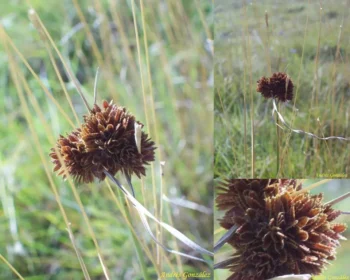
Bentawn Flatsedge: A Native Sedge for Wet Spots in Your Garden
If you’ve got a soggy spot in your yard that makes you scratch your head wondering what to plant, let me introduce you to bentawn flatsedge (Cyperus reflexus). This native sedge might not win any beauty contests, but it’s exactly the kind of unsung hero your wetland garden needs.
What Is Bentawn Flatsedge?
Bentawn flatsedge is a perennial sedge that belongs to the grass-like family of plants. Don’t let the grass-like description fool you into thinking it’s just another lawn grass – sedges are quite different from true grasses, with their characteristic triangular stems and unique growing habits.
This little-known native has been quietly doing its job in wetlands across the southeastern United States for ages. It may also go by the botanical synonyms Cyperus reflexus Vahl var. fraternus (Kunth) Kuntze, but most folks just call it bentawn flatsedge.
Where Does It Naturally Grow?
Bentawn flatsedge is native to the lower 48 states, specifically calling Florida, Louisiana, Oklahoma, and Texas home. It’s perfectly adapted to the humid, wet conditions of these Gulf Coast and southern Great Plains regions.
- Species observed
- No observations
Why Consider Bentawn Flatsedge for Your Garden?
Here’s the thing about bentawn flatsedge – it’s not going to be the showstopper in your garden, but it serves some pretty important purposes:
- It’s a true native that supports local ecosystems
- Perfect for those chronically wet areas where other plants struggle
- Requires virtually no maintenance once established
- Helps with erosion control in wet soils
- Provides habitat and food sources for native wildlife
What Does It Look Like?
Bentawn flatsedge won’t wow you with flashy flowers or dramatic foliage. It’s more of a blend into the background kind of plant, with thin, grass-like leaves and small, brownish flower clusters. Think of it as nature’s wallpaper – subtle, functional, and perfectly suited to its role.
Perfect Garden Situations
This sedge shines in specific garden scenarios:
- Rain gardens and bioswales
- Wetland restoration projects
- Native plant gardens focused on local ecology
- Naturalized landscapes
- Areas that stay consistently moist or occasionally flood
Growing Conditions and Care
The beauty of bentawn flatsedge lies in its simplicity. This plant thrives in:
- Moisture: Consistently moist to wet soils – it can handle periodic flooding like a champ
- Light: Full sun to partial shade, though it’s happiest with plenty of sunlight
- Climate: USDA hardiness zones 8-10, matching its native southern range
- Soil: Not picky about soil type as long as it stays moist
As a facultative wetland plant, bentawn flatsedge can handle both wetland and non-wetland conditions, though it definitely prefers the wetter side of things.
Planting and Maintenance Tips
Once you’ve decided bentawn flatsedge fits your garden’s needs, here’s how to succeed with it:
- Plant in spring when soil temperatures warm up
- Space plants according to how quickly you want coverage – they’ll spread naturally
- Water regularly until established, then let nature take over
- Minimal fertilization needed – this plant is adapted to natural conditions
- Allow it to spread naturally for the best ecosystem benefits
Wildlife and Ecosystem Benefits
While bentawn flatsedge might look unassuming, it plays important ecological roles. As a native sedge, it provides habitat for various insects and small wildlife. The seeds can attract birds, and the plant contributes to the complex web of native plant communities that support local biodiversity.
Is Bentawn Flatsedge Right for Your Garden?
Bentawn flatsedge isn’t for everyone, and that’s perfectly fine. Consider it if you:
- Have consistently wet or occasionally flooded areas
- Want to support native ecosystems
- Prefer low-maintenance, natural-looking plantings
- Are working on wetland restoration or rain garden projects
- Live within its native range (zones 8-10)
Skip it if you’re looking for showy ornamental plants or if you have well-draining, dry soils.
The Bottom Line
Bentawn flatsedge may not be the most glamorous plant in the native gardening world, but it’s exactly the kind of species that makes ecosystems tick. If you’ve got wet spots where other plants fear to tread, this humble sedge could be your solution. It’s proof that sometimes the most important garden plants are the ones that quietly do their job without asking for applause.