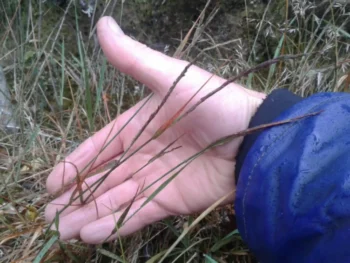
Bentgrass: Understanding This Widespread Grass Genus
If you’ve ever walked across a golf course or sports field, chances are you’ve encountered bentgrass without even knowing it. This fine-textured grass has found its way into landscapes across North America, but before you consider adding it to your garden, there are some important things to know about this complex plant group.
What Is Bentgrass?
Bentgrass (Agrostis) is actually a genus containing many different species of grasses, each with its own characteristics and native range. These grasses are classified as graminoids – the grass family that includes true grasses, sedges, and rushes. Most bentgrass species can be either annual or perennial, depending on the specific variety and growing conditions.
Where Does Bentgrass Grow?
Bentgrass has an incredibly wide distribution across North America. You’ll find various species growing in nearly every U.S. state and Canadian province, from Alberta to Florida, and from Alaska to Puerto Rico. This extensive range reflects the adaptability of different bentgrass species to various climates and conditions.
- Species observed
- No observations
Native Status: It’s Complicated
Here’s where things get interesting – and a bit complicated. While bentgrass species are definitively native to Puerto Rico, their native status in other parts of North America varies by species and is often unclear. Some species are native to certain regions, while others have been introduced. This mixed native status makes bentgrass a bit of a wildcard in native gardening circles.
The Good and the Not-So-Good
Bentgrass brings both benefits and potential concerns to the landscape:
- Fine, delicate texture that creates attractive seed heads
- Adaptable to various growing conditions
- Useful for erosion control in some situations
- Low-maintenance once established
However, there are some important considerations. In certain areas, some bentgrass species have restricted status due to their potential to spread aggressively. Additionally, as wind-pollinated grasses, they don’t provide the same pollinator benefits as native wildflowers.
Is Bentgrass Right for Your Garden?
Given the complex native status of bentgrass species, most native gardening enthusiasts might want to consider alternatives. If you’re looking to support local ecosystems and pollinators, native grass species specific to your region will typically be a better choice.
If you’re considering bentgrass for practical reasons like erosion control or naturalized areas, research the specific species and their behavior in your region first. Some may be perfectly appropriate, while others might be too aggressive for your needs.
Better Native Alternatives
Instead of bentgrass, consider these native grass options that offer similar benefits while supporting local wildlife:
- Native sedges for fine texture and wildlife value
- Regional native bunch grasses
- Native meadow grasses that support pollinators
- Local prairie grasses for naturalized areas
The Bottom Line
While bentgrass isn’t necessarily a bad choice, it’s not typically the best choice for native gardening enthusiasts. The unclear native status across most of its range, combined with potential invasive tendencies in some areas, makes it worth skipping in favor of definitively native alternatives that will better support your local ecosystem.
If you do choose to work with bentgrass, make sure you’re selecting a species appropriate for your region and keep an eye on its behavior in your landscape. Sometimes the most sustainable choice is the one that works with nature rather than against it.