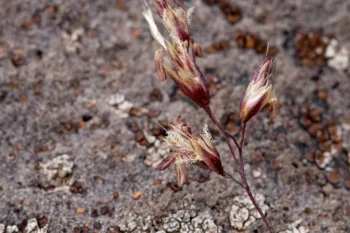
Bering Hairgrass: The Ultimate Cold-Climate Native Grass
If you’re gardening in the far north and dreaming of a grass that actually thrives in your challenging climate, meet Bering hairgrass (Deschampsia brevifolia). This remarkable native grass isn’t just tolerant of extreme cold—it absolutely loves it! While most gardeners are coddling tender perennials, you could be growing a plant that considers subzero temperatures a pleasant spring day.
What Exactly is Bering Hairgrass?
Bering hairgrass, scientifically known as Deschampsia brevifolia, is a hardy perennial grass that’s perfectly adapted to life in the planet’s chilliest places. You might also see it listed under its botanical synonyms, including Deschampsia caespitosa subspecies brevifolia, but don’t let the name confusion fool you—this is one tough cookie of a grass.
This fine-textured beauty forms dense, low-growing tufts that create an almost carpet-like effect in the landscape. During summer, it produces delicate, purplish flower panicles that dance gracefully in arctic breezes, adding an unexpectedly elegant touch to harsh northern environments.
Where Does Bering Hairgrass Call Home?
This grass is a true northerner, native to the arctic and subarctic regions of Alaska, northern Canada (including Quebec, Yukon, Northwest Territories, Nunavut, and Labrador), and Greenland. If you’re gardening anywhere else, this probably isn’t the grass for you—but if you’re in these regions, you’ve struck botanical gold!
- Species observed
- No observations
Why Consider Bering Hairgrass for Your Garden?
Here’s where things get exciting for cold-climate gardeners:
- Extreme hardiness: Thrives in USDA zones 1-4, handling temperatures that would kill most plants
- Native authenticity: Supports local ecosystems and requires no guilt about growing non-natives
- Low maintenance: Once established, it pretty much takes care of itself
- Wetland adaptability: Handles everything from consistently wet soils to occasional dry spells
- Unique texture: Adds fine-textured interest to rock gardens and alpine landscapes
Perfect Garden Settings
Bering hairgrass shines in specialized garden settings where other plants fear to tread:
- Arctic and subarctic native plant gardens
- Alpine rock gardens
- Cold-climate wetland gardens
- Naturalized areas mimicking tundra landscapes
- Specialized cold-hardy ground cover applications
Growing Conditions That Make It Happy
This grass has some specific preferences, but they’re pretty straightforward if you’re in its native range:
- Moisture: Prefers consistently moist to wet soils (it’s classified as obligate wetland in Alaska)
- Light: Full sun to partial shade
- Temperature: The cooler, the better—seriously!
- Soil: Adaptable to various soil types as long as moisture needs are met
Planting and Care Tips
Growing Bering hairgrass is refreshingly straightforward:
- Timing: Plant in spring or early summer when soil can be worked
- Spacing: Allow adequate room for clump formation
- Watering: Keep consistently moist, especially during establishment
- Maintenance: Minimal once established—this grass is built for harsh conditions
- Propagation: Seeds require cold stratification (which happens naturally in its climate)
Wildlife and Ecosystem Benefits
While Bering hairgrass is wind-pollinated and doesn’t directly feed pollinators like flowering plants do, it plays important ecological roles:
- Provides habitat structure for small arctic wildlife
- Helps prevent soil erosion in challenging climates
- Contributes to authentic arctic and subarctic plant communities
- Supports the complex web of life in northern ecosystems
Is Bering Hairgrass Right for Your Garden?
Let’s be honest—this isn’t a plant for everyone. If you’re gardening south of zone 4, look elsewhere. But if you’re dealing with the challenges of extreme northern gardening, Bering hairgrass could be exactly what you’ve been looking for. It’s a beautiful, authentic, low-maintenance way to add native grass texture to specialized cold-climate gardens.
The key question isn’t whether Bering hairgrass is a good plant (it absolutely is), but whether you can provide the specific conditions it needs to thrive. If you can, you’ll be rewarded with a uniquely beautiful grass that’s perfectly suited to your challenging but spectacular northern landscape.