Betonyleaf Noseburn: A Lesser-Known Native Wildflower Worth Discovering
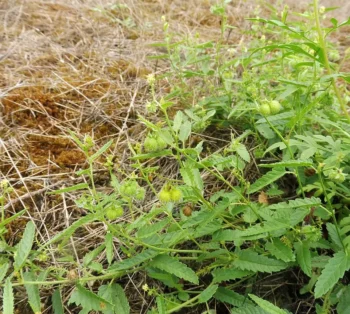
If you’re always on the hunt for unique native plants to add character to your garden, let me introduce you to betonyleaf noseburn (Tragia betonicifolia). This intriguingly named perennial might not be the showiest plant in your local nursery, but it’s a genuine native wildflower with a story to tell and a place in our natural landscapes.
What’s in a Name?
The common name betonyleaf noseburn certainly raises eyebrows! Like other plants in the Tragia genus, this species gets its noseburn moniker from its stinging hairs that can cause skin irritation – think of it as a gentler cousin to stinging nettle. The betonyleaf part refers to the shape of its leaves, which resemble those of betony plants. You might also see it listed under its botanical synonym Tragia urticifolia var. texana in some older references.
Where Does It Call Home?
Betonyleaf noseburn is a true native of the American South and Midwest. You’ll find this perennial forb naturally growing across several states, including Arkansas, Kansas, Kentucky, Louisiana, Missouri, Oklahoma, and Texas. As a native plant, it has evolved alongside local wildlife and climate conditions for thousands of years.
- Species observed
- No observations
Should You Grow Betonyleaf Noseburn?
Here’s where things get honest – betonyleaf noseburn isn’t your typical garden center darling, and there’s a reason for that. This native wildflower falls into the category of specialist plants that appeal to dedicated native plant enthusiasts rather than general gardeners. Here are some considerations:
The Pros:
- Genuinely native to its region, supporting local ecosystems
- Perennial growth means it comes back year after year
- Likely drought-tolerant once established (typical of many native forbs)
- Adds botanical diversity to naturalized areas
The Considerations:
- Stinging hairs make it unsuitable for high-traffic areas
- Limited ornamental appeal compared to showier natives
- Very difficult to find commercially
- Limited growing information available
Growing Conditions and Care
While specific growing information for betonyleaf noseburn is limited, we can make some educated guesses based on its native habitat and relatives in the Tragia family. Most Tragia species prefer:
- Well-draining soils
- Full sun to partial shade
- Moderate water needs (drought-tolerant once established)
- Hardy in USDA zones typical of its native range (likely zones 6-9)
As a forb (non-woody perennial), it likely dies back to the ground in winter and re-emerges in spring. The plant probably spreads slowly and fits well in naturalized areas rather than formal garden beds.
Best Garden Applications
If you do manage to find betonyleaf noseburn, it’s best suited for:
- Native plant restoration projects
- Wildlife habitat gardens (away from paths)
- Naturalized meadow areas
- Educational or botanical gardens
The Bottom Line
Betonyleaf noseburn represents one of those fascinating native plants that reminds us how much botanical diversity exists right under our noses. While it’s not a plant most gardeners will actively seek out, it plays its part in the complex web of native plant communities across the South and Midwest.
If you’re interested in supporting native plants in your region, you might have better luck finding more readily available native alternatives that offer similar ecological benefits with greater garden appeal. Consider exploring other native forbs and wildflowers from your area – your local native plant society or extension office can point you toward species that are both ecologically valuable and more garden-friendly.
Sometimes the most interesting plants are the ones that keep a low profile, quietly doing their job in nature’s grand design. Betonyleaf noseburn might just be one of those unsung heroes of the plant world.