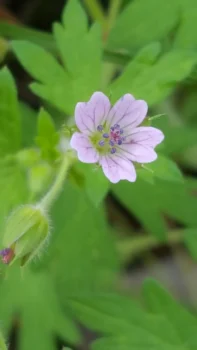
Bicknell’s Cranesbill: A Delightful Native Wildflower for Your Garden
Meet Bicknell’s cranesbill (Geranium bicknellii), a charming little native wildflower that’s been quietly beautifying North American landscapes for centuries. This unassuming annual or biennial forb might not be the showiest plant in your garden, but it brings a special kind of understated elegance that native plant enthusiasts absolutely adore.
What Makes Bicknell’s Cranesbill Special?
Don’t let its modest size fool you – Bicknell’s cranesbill packs a lot of personality into a small package. This herbaceous wildflower produces delicate pink to purple flowers with five perfectly formed petals, creating a lovely carpet of color when allowed to naturalize. The deeply divided, palmate leaves add textural interest even when the plant isn’t blooming.
As a true North American native, this little geranium has earned its place in the wild from coast to coast. You’ll find it naturally growing across an impressive range that includes most Canadian provinces and many U.S. states, from Alaska down through the northern and western regions of the lower 48 states.
- Species observed
- No observations
Where Does Bicknell’s Cranesbill Belong in Your Garden?
This adaptable native shines in several garden settings:
- Woodland gardens where it can naturalize under trees
- Native plant gardens as a ground-covering element
- Rock gardens where its compact size fits perfectly
- Wildflower meadows for a natural, unmanicured look
- Areas where you want low-maintenance, self-seeding plants
Because it’s an annual or biennial, Bicknell’s cranesbill works wonderfully as a filler plant that can pop up in unexpected places, creating delightful surprises throughout your garden.
Growing Bicknell’s Cranesbill Successfully
One of the best things about this native gem is how easy it is to grow. Bicknell’s cranesbill thrives in USDA hardiness zones 3-8, making it suitable for most northern and mountain regions.
Light Requirements: This flexible plant adapts to both partial shade and full sun conditions, though it seems to appreciate some afternoon shade in hotter climates.
Soil Preferences: Don’t worry about having perfect soil – Bicknell’s cranesbill actually prefers well-drained soils and can tolerate poor growing conditions. Once established, it’s quite drought tolerant, making it perfect for low-maintenance landscapes.
Planting Tips: The easiest way to establish this plant is through direct seeding in fall or early spring. Simply scatter the seeds where you want them to grow, and nature will take care of the rest. This plant is an excellent self-seeder, so once you have it established, you’ll likely see new plants appearing in subsequent seasons.
Benefits for Pollinators and Wildlife
While Bicknell’s cranesbill might look delicate, it’s actually a hardworking member of your garden’s ecosystem. The small flowers attract various pollinators, including native bees, flies, and other beneficial insects that rely on its nectar and pollen. By choosing this native plant, you’re supporting local wildlife that has co-evolved with North American flora.
Is Bicknell’s Cranesbill Right for Your Garden?
If you love the idea of a low-maintenance native plant that brings subtle beauty and ecological benefits to your landscape, Bicknell’s cranesbill might be perfect for you. It’s ideal for gardeners who appreciate:
- Plants that self-seed and naturalize
- Native species that support local ecosystems
- Low-maintenance, drought-tolerant options
- Delicate flowers with understated charm
- Plants that work well in naturalized settings
However, if you prefer highly controlled, formal gardens or need plants with bold, showy blooms, you might want to consider other options.
Bicknell’s cranesbill proves that sometimes the most wonderful garden plants are the ones that simply know how to take care of themselves while quietly contributing to the beauty and health of your outdoor space. Give this lovely native a try – you might just fall in love with its unpretentious charm.