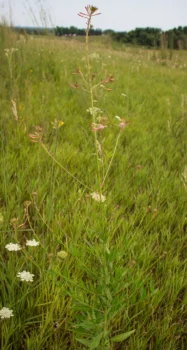
Biennial Beeblossom: A Graceful Native Wildflower for Your Garden
If you’re looking for a native wildflower that brings ethereal beauty to your garden without demanding much attention, biennial beeblossom (Oenothera gaura) might just be your new favorite plant. This charming North American native has been quietly enchanting gardeners with its delicate, dancing flowers and easy-going nature.
What Is Biennial Beeblossom?
Biennial beeblossom is a native forb that lives up to its name with a two-year life cycle. As a member of the evening primrose family, this graceful wildflower produces clouds of small, white to pale pink flowers that seem to flutter in the slightest breeze. You might also know it by its botanical name, Oenothera gaura, or its former classification, Gaura biennis.
This native beauty has quite an impressive range, naturally occurring across much of eastern and central North America. You’ll find it growing wild from the Canadian provinces of Ontario and Quebec down through the eastern United States, spanning from the Atlantic Coast to the Midwest.
- Species observed
- No observations
Why Plant Biennial Beeblossom?
There are plenty of reasons to fall in love with this native wildflower:
- Pollinator magnet: The evening-blooming flowers are a hit with bees, butterflies, and moths
- Low maintenance: Once established, it’s quite drought tolerant and needs minimal care
- Natural beauty: Creates an airy, cottage garden feel with its delicate flower spikes
- Native plant benefits: Supports local ecosystems and wildlife
- Self-seeding: Will naturalize in suitable conditions, creating lovely drifts over time
Garden Design and Landscape Use
Biennial beeblossom shines in naturalized settings where its informal charm can really show off. It’s perfect for:
- Prairie and meadow gardens
- Native plant landscapes
- Cottage garden borders
- Wildflower meadows
- Low-maintenance naturalized areas
The plant’s graceful, upright form makes it an excellent choice for adding vertical interest and movement to your garden design.
Growing Conditions and Care
One of the best things about biennial beeblossom is how adaptable it is. Here’s what it prefers:
- Sunlight: Full sun to partial shade
- Soil: Well-draining soils; tolerates various soil types
- Water: Drought tolerant once established; prefers moderate moisture
- Hardiness: Thrives in USDA zones 4-8
According to wetland classifications, biennial beeblossom is considered Facultative Upland across its range, meaning it usually grows in non-wetland areas but can occasionally tolerate wetter conditions.
Planting and Care Tips
Growing biennial beeblossom is refreshingly straightforward:
- Starting from seed: Direct sow seeds in fall or early spring
- Spacing: Allow adequate space for the plant to reach its mature size
- Watering: Water regularly during the first year, then reduce as the plant establishes
- Maintenance: Deadhead spent flowers to prevent excessive self-seeding if desired
- Winter care: Leave seed heads for wildlife and winter interest
Important Conservation Note
If you’re gardening in New Jersey, take note: biennial beeblossom has a rarity status of S3 Highlands Listed in the state. This means it’s considered uncommon to rare. If you’d like to grow this native beauty, make sure to source your plants or seeds from reputable native plant suppliers who use responsibly collected material rather than wild-harvesting.
The Bottom Line
Biennial beeblossom offers gardeners the perfect combination of native plant benefits, low-maintenance growing requirements, and delicate beauty. Whether you’re creating a prairie garden, adding to a pollinator-friendly landscape, or simply want to support local wildlife, this graceful wildflower is an excellent choice. Just remember to source responsibly, especially if you’re in areas where it might be less common, and enjoy watching this charming native bring life and movement to your garden.