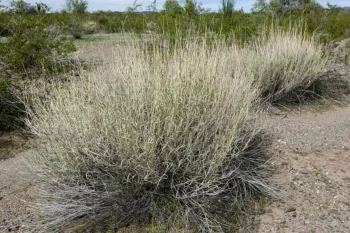
Big Galleta: The Tough-as-Nails Native Grass Your Desert Garden Needs
If you’re looking for a low-maintenance, drought-loving grass that can handle the harshest desert conditions, meet big galleta (Pleuraphis rigida). This unassuming but incredibly resilient native grass might just be the perfect addition to your water-wise landscape.
What is Big Galleta?
Big galleta is a perennial bunch grass native to the southwestern United States. You might also see it listed under its former scientific name, Hilaria rigida, but don’t let the name changes fool you – this is the same hardy desert survivor that has been thriving in harsh conditions for thousands of years.
This fine-textured grass grows in attractive clumps with a semi-erect growth habit, typically reaching about 3 feet in height. Its green foliage provides nice textural contrast in desert gardens, and it produces small yellow flowers in late spring, though they’re not particularly showy.
Where Does Big Galleta Grow Naturally?
Big galleta is native to the desert regions of Arizona, California, Nevada, New Mexico, and Utah. It’s perfectly adapted to life in the Sonoran, Mojave, and Great Basin deserts, where it has evolved to handle extreme heat, cold snaps, and very little rainfall.
- Species observed
- No observations
Why Plant Big Galleta in Your Garden?
There are several compelling reasons to consider big galleta for your landscape:
- Extreme drought tolerance: Once established, this grass thrives on just 5-12 inches of annual precipitation
- Low maintenance: Requires minimal fertilizer and care
- Native plant benefits: Supports local ecosystems and provides habitat structure
- Erosion control: Excellent for stabilizing slopes and preventing soil erosion
- Long-lived: This perennial grass has a long lifespan, making it a great investment
- Cold hardy: Can tolerate temperatures down to 12°F
Perfect Garden Settings for Big Galleta
Big galleta shines in several landscape scenarios:
- Desert and xeric gardens: Ideal as a background or filler plant
- Rock gardens: Provides soft textural contrast to hard landscape elements
- Naturalized areas: Perfect for creating authentic desert meadow scenes
- Slopes and hillsides: Excellent for erosion control
- Low-water landscapes: A must-have for drought-tolerant designs
Growing Conditions and Care
Big galleta is refreshingly easy to please when it comes to growing conditions:
Sunlight: Full sun is essential – this grass is completely shade intolerant
Soil: Adaptable to coarse, medium, or fine-textured soils as long as drainage is good. Prefers slightly acidic to neutral pH (6.0-8.0)
Water: Extremely drought tolerant once established. Low moisture requirements make it perfect for water-wise gardens
Climate: Thrives in USDA hardiness zones 8-11. Needs areas with at least 220 frost-free days
Fertilizer: Low fertility requirements – actually prefers lean soils
Planting and Establishment Tips
Getting big galleta started in your garden is straightforward:
- Propagation: Grow from seed (about 33,000 seeds per pound)
- Timing: Plant in spring when soil temperatures warm up
- Establishment: Provide regular water during the first growing season, then reduce significantly
- Growth rate: Moderate growth rate with slow spread
- Patience required: Seedling vigor is low, so don’t expect instant results
What to Expect
Big galleta is a slow and steady type of grass. It spreads moderately through underground rhizomes, forming attractive clumps over time. The active growing period is spring and summer, and it maintains its foliage year-round, though it becomes more porous-looking in winter.
While it’s not a showstopper like some flowering plants, big galleta provides valuable ecosystem services and creates beautiful textural interest in desert landscapes. It’s also highly fire-tolerant, making it a smart choice for areas prone to wildfires.
The Bottom Line
Big galleta is an excellent choice for gardeners in the Southwest who want a truly low-maintenance, drought-tolerant grass that supports native ecosystems. While it may not provide the flashy colors of desert wildflowers, it offers reliable performance, longevity, and authentic desert character that’s hard to beat.
If you’re designing a water-wise landscape or want to add native grasses to your garden, big galleta deserves serious consideration. Just remember: this is a plant for sunny, well-drained spots where you want something tough, reliable, and beautifully adapted to desert life.