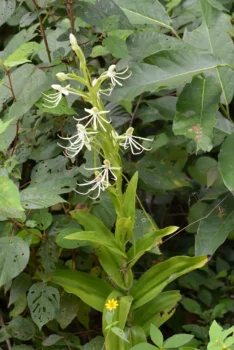
Big-Horn Bog Orchid: A Florida Wetland Rarity
Meet the big-horn bog orchid (Habenaria macroceratitis), one of Florida’s most elusive native wildflowers. This perennial orchid is so specialized and rare that most gardeners will never encounter it—and that’s probably for the best, given its incredibly specific growing requirements.
Where Does It Call Home?
The big-horn bog orchid is native to the United States, with its distribution limited to Florida. This extremely narrow range makes it one of the most geographically restricted orchids in North America. You won’t find this little beauty growing wild anywhere else in the world.
- Species observed
- No observations
What Makes It Special (And Challenging)?
As its common name suggests, this orchid is a bog specialist. It’s classified as a forb—essentially a non-woody flowering plant—that has evolved to thrive in Florida’s unique wetland ecosystems. Like other bog orchids, it likely produces small, delicate flowers that are perfectly adapted to attract specific pollinators.
The big-horn part of its name hints at distinctive flower features, though detailed descriptions of this rare species are scarce in horticultural literature.
Should You Try Growing It?
Here’s the honest truth: unless you’re a wetland restoration specialist or have a legitimate bog garden setup, the big-horn bog orchid isn’t for you. This plant has evolved over thousands of years to live in very specific bog conditions that are nearly impossible to replicate in a typical garden setting.
Even if you could source plants (which would be extremely difficult), attempting to grow this rare native could do more harm than good without proper expertise.
Better Alternatives for Your Garden
If you’re drawn to native orchids, consider these more garden-friendly Florida natives instead:
- Wild coco (Eulophia alta) – A terrestrial orchid that’s more adaptable
- Butterfly orchid species (Encyclia tampensis) – Easier to grow and more readily available
- Native wetland plants like pickerelweed or arrowhead for bog-like garden areas
Its Ecological Role
While you shouldn’t try growing the big-horn bog orchid in your backyard, it plays a crucial role in Florida’s wetland ecosystems. Like other bog orchids, it likely supports specialized pollinators and contributes to the biodiversity that makes Florida’s natural areas so unique.
Conservation Matters
The extremely limited distribution of this species makes conservation of its natural habitat critical. Supporting wetland preservation efforts and choosing appropriate native plants for your own garden helps protect spaces where rare species like the big-horn bog orchid can continue to thrive.
Sometimes the best way to appreciate a native plant is to leave it in its natural home and choose garden-appropriate natives that can bring similar ecological benefits to your own landscape.