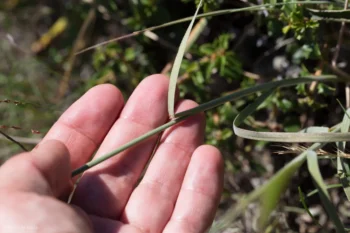
Big Squirreltail: A Hardy Native Grass for Water-Wise Gardens
If you’re looking for a tough-as-nails native grass that laughs in the face of drought, let me introduce you to big squirreltail (Elymus multisetus). This resilient perennial grass is like the strong, silent type of the plant world – it doesn’t ask for much, but it delivers plenty of character to your landscape.
What Makes Big Squirreltail Special?
Big squirreltail is a native graminoid – that’s fancy talk for a grass or grass-like plant – that belongs in the family of true grasses. Don’t let its unassuming nature fool you; this perennial has some serious staying power and brings a unique texture to any garden setting.
The plant gets its charming common name from its distinctive seed heads, which look remarkably like a squirrel’s bushy tail. These bottlebrush-like structures, adorned with long, wispy awns, create an almost ethereal quality when they catch the light or sway in the breeze.
Where Does Big Squirreltail Call Home?
This hardy native is a true child of the American West, naturally occurring across nine states: Arizona, California, Colorado, Idaho, Nevada, Oregon, Utah, Washington, and Wyoming. It’s perfectly adapted to the arid and semi-arid conditions that define much of this region.
- Species observed
- No observations
Why Plant Big Squirreltail in Your Garden?
Here’s where big squirreltail really shines – it’s the perfect plant for gardeners who want maximum impact with minimal fuss:
- Drought champion: Once established, this grass thrives with little to no supplemental watering
- Low maintenance: No need for regular fertilizing, pruning, or pampering
- Wildlife habitat: Provides structure and cover for small wildlife
- Erosion control: Its root system helps stabilize soil on slopes
- Unique texture: Adds movement and visual interest with its distinctive seed heads
Perfect Garden Settings
Big squirreltail isn’t trying to be the star of a formal English garden – and that’s perfectly fine! This grass excels in:
- Xeriscapes and drought-tolerant gardens
- Native plant gardens celebrating regional flora
- Rock gardens and naturalized areas
- Erosion-prone slopes needing stabilization
- Low-maintenance landscapes
Growing Conditions and Care
The beauty of big squirreltail lies in its simplicity. This grass is happiest when you give it conditions similar to its native habitat:
- Sunlight: Full sun is ideal
- Soil: Well-draining soils are essential – it doesn’t like wet feet
- Water: Drought tolerant once established; minimal watering needed
- Climate: Hardy in USDA zones 4-9
Planting and Establishment Tips
Getting big squirreltail started in your garden is refreshingly straightforward:
- Plant seeds in fall or early spring for best germination
- Lightly cover seeds with soil – they need some light to germinate
- Keep soil slightly moist during germination period
- Once established (usually by the second season), reduce watering significantly
- No fertilizer needed – this grass prefers lean conditions
A Note on Pollinator Benefits
While big squirreltail is wind-pollinated rather than insect-pollinated, it still contributes to your garden’s ecosystem by providing habitat structure and cover for beneficial insects and small wildlife. Think of it as the supporting actor that makes the whole garden performance better.
Is Big Squirreltail Right for Your Garden?
If you live in the western United States and want a native grass that’s both beautiful and bulletproof, big squirreltail could be your new best friend. It’s particularly perfect for gardeners who appreciate subtle beauty, want to reduce water usage, or are creating habitat for local wildlife.
Just remember – this is a plant that evolved in tough conditions, so don’t kill it with kindness. Give it good drainage, plenty of sun, and then step back and let it do what it does best: thrive with minimal intervention while adding its own special brand of wild beauty to your landscape.