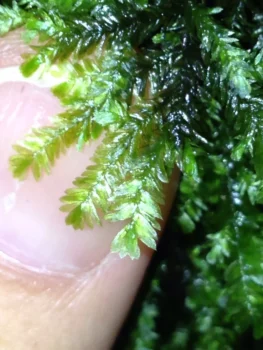
Discovering Bigelow’s Porotrichum Moss: A Lesser-Known Native Bryophyte
If you’ve ever wondered about the tiny green worlds that exist right under our noses, let me introduce you to Bigelow’s porotrichum moss (Porotrichum bigelovii). This little-known moss species is one of those fascinating bryophytes that quietly goes about its business in the natural world, often unnoticed by most gardeners and nature enthusiasts.
What Exactly Is Bigelow’s Porotrichum Moss?
Bigelow’s porotrichum moss belongs to the fascinating world of bryophytes – those ancient, non-flowering plants that include mosses, liverworts, and hornworts. Unlike the flashy flowering plants that steal the show in most gardens, this moss is a humble terrestrial species that prefers to attach itself to solid surfaces like rocks, fallen logs, or tree bark rather than growing directly in soil.
This moss goes by a few scientific aliases, having been known as Porothamnium bigelovii and Thamnium bigelovii in botanical circles. Don’t worry about memorizing those tongue-twisters – Bigelow’s porotrichum moss works just fine for everyday conversation!
Where Does It Call Home?
What we do know is that this moss is native to North America, making it a legitimate member of our continent’s natural heritage. However, the specific details about where exactly you might stumble across this species remain somewhat mysterious – it’s one of those plants that bryologists (moss experts) know about, but detailed distribution maps are scarce.
The Mystery Moss: What We Don’t Know
Here’s where things get interesting – and a bit frustrating for the curious gardener. Bigelow’s porotrichum moss is something of an enigma in the plant world. While it’s been scientifically documented and named, detailed information about its appearance, habitat preferences, and ecological role remains surprisingly elusive.
This lack of information doesn’t necessarily mean the moss is rare or problematic – it might simply be that it’s been overlooked by researchers, or that it’s so specialized in its requirements that few people encounter it regularly.
Could This Moss Benefit Your Garden?
While we can’t provide specific details about Bigelow’s porotrichum moss, we can talk about what mosses in general bring to garden spaces:
- Natural moisture retention in shaded areas
- Erosion control on slopes and exposed soil
- Habitat for tiny invertebrates that support the food web
- A soft, carpet-like texture that adds visual interest
- Year-round green color in many climates
The Art of Moss Identification
If you think you’ve spotted Bigelow’s porotrichum moss in the wild, you’ll likely need to do some detective work. Moss identification often requires close examination of features like:
- Leaf shape and arrangement
- Growth pattern (cushion-like, trailing, upright)
- Habitat preferences
- Spore-bearing structures when present
Given the limited information available, confirming an identification would probably require consultation with a bryologist or submission to a botanical expert.
The Bottom Line for Gardeners
While Bigelow’s porotrichum moss remains largely mysterious, its status as a North American native means it’s playing some role in our local ecosystems. If you’re interested in supporting native bryophytes in your landscape, focus on creating the conditions that mosses generally love: consistent moisture, filtered light, and surfaces they can colonize naturally.
Rather than trying to cultivate this specific species, consider letting the mosses that naturally occur in your area establish themselves. You might be surprised by the diversity that shows up when you provide the right conditions – and who knows? You might even discover Bigelow’s porotrichum moss growing right in your own backyard.
Sometimes the most fascinating plants are the ones that keep a few secrets. Bigelow’s porotrichum moss certainly fits that description, reminding us that there’s still so much to discover about the natural world around us.