Bigelow’s Tansyaster: A Late-Season Native Gem for Your Garden
If you’re looking for a cheerful native wildflower that brings color to your garden when most other plants are calling it quits for the season, let me introduce you to Bigelow’s tansyaster (Machaeranthera bigelovii). This delightful member of the sunflower family might not have the flashiest name, but it’s a real workhorse in the garden – and pollinators absolutely adore it!
Meet This Native Beauty
Bigelow’s tansyaster is a true American native, naturally found across six states in the southwestern and south-central United States: Arizona, Colorado, New Mexico, Oklahoma, Utah, and Wyoming. You might also see this plant listed under its synonym, Dieteria bigelovii, but don’t let the name changes confuse you – it’s the same wonderful plant.
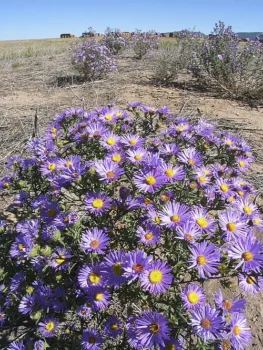
This herbaceous perennial (sometimes biennial) produces lovely purple to lavender daisy-like flowers with bright yellow centers that bloom from late summer into fall. It’s exactly the kind of plant that makes you do a double-take during an autumn walk, wondering where that splash of color came from when everything else is turning brown.
- Species observed
- No observations
Why Your Garden (and Local Wildlife) Will Love It
Here’s where Bigelow’s tansyaster really shines – it’s like a late-season buffet for pollinators! When most flowers have finished blooming, this generous plant is just getting started, providing crucial nectar for bees, butterflies, and other beneficial insects preparing for winter. It’s particularly valuable because:
- Blooms when few other native plants are flowering
- Provides essential late-season nectar for migrating butterflies
- Supports native bee populations with high-quality pollen
- Self-seeds readily, creating natural colonies over time
Perfect Garden Spots
This adaptable native is ideal for several garden styles:
- Wildflower gardens: Adds natural charm and authentic regional character
- Xeriscape designs: Thrives with minimal water once established
- Prairie-style plantings: Provides late-season interest and habitat
- Naturalized areas: Creates beautiful drifts through self-seeding
Growing Conditions and Care
One of the best things about Bigelow’s tansyaster is how easygoing it is. This plant has adapted to some pretty tough conditions in the wild, which makes it a low-maintenance choice for home gardeners.
Sun and Soil: Give it full sun and well-drained soil. It’s not particularly picky about soil type, but good drainage is essential – soggy roots are about the only thing that will make this tough plant unhappy.
Water Needs: While it has a Facultative Wetland status (meaning it can tolerate wet conditions), it’s quite drought tolerant once established. Water regularly the first year, then let nature take over in most climates.
Hardiness: This resilient plant typically thrives in USDA zones 4-8, handling both cold winters and hot, dry summers with grace.
Planting and Care Tips
Growing Bigelow’s tansyaster is refreshingly simple:
- When to plant: Spring after the last frost, or fall for next year’s blooms
- Spacing: Allow room for natural spreading through self-seeding
- Maintenance: Minimal! Deadhead if you want to prevent self-seeding, or leave seed heads for wildlife
- Propagation: Easily grown from seed, and established plants will likely self-sow
Is This Plant Right for Your Garden?
Bigelow’s tansyaster is perfect for gardeners who want to:
- Support native wildlife and pollinators
- Add late-season color with minimal effort
- Create authentic regional landscapes
- Enjoy low-maintenance, drought-tolerant plants
However, it might not be the best choice if you prefer highly controlled, formal gardens, since this plant likes to self-seed and create natural-looking colonies.
The Bottom Line
Bigelow’s tansyaster proves that native plants can be both beautiful and beneficial. With its cheerful late-season blooms, minimal care requirements, and valuable wildlife benefits, it’s a fantastic addition to any garden that celebrates the natural beauty of American landscapes. Plus, there’s something deeply satisfying about growing a plant that’s been thriving in your region for thousands of years – it just feels right, doesn’t it?