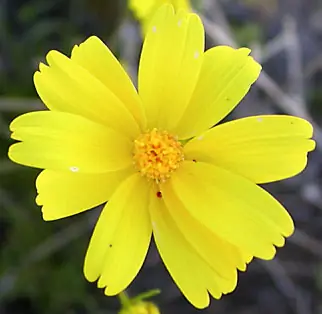
Bigelow’s Tickseed: A Brilliant Native Annual for Water-Wise Gardens
If you’re looking for a cheerful, low-maintenance native wildflower that can handle California’s challenging growing conditions, Bigelow’s tickseed (Coreopsis bigelovii) might just be the perfect addition to your garden. This delightful annual brings sunshine-bright blooms to landscapes while supporting local wildlife and requiring minimal care once established.
What Makes Bigelow’s Tickseed Special?
Bigelow’s tickseed is a true California native, belonging to the sunflower family and classified as a forb – essentially a non-woody flowering plant. This charming annual produces vibrant yellow, daisy-like flowers that create stunning displays in natural settings. You might also encounter this plant listed under its botanical synonyms, Leptosyne bigelovii or Pugiopappus bigelovii, in older gardening references.
Where Does It Grow Naturally?
This native beauty calls California home, thriving in the state’s diverse ecosystems from coastal areas to desert regions. As a plant that has evolved specifically for California’s unique climate conditions, it’s perfectly adapted to the Mediterranean and semi-arid environments that characterize much of the Golden State.
- Species observed
- No observations
Why Consider Planting Bigelow’s Tickseed?
There are several compelling reasons to include this native annual in your landscape:
- Water-wise gardening: Once established, it requires minimal irrigation, making it perfect for drought-tolerant landscapes
- Pollinator magnet: The bright yellow flowers attract bees, butterflies, and other beneficial pollinators
- Low maintenance: As an annual, it completes its life cycle in one year and often self-seeds for future seasons
- Native plant benefits: Supports local ecosystems and provides habitat for native wildlife
- Versatile landscape use: Works beautifully in wildflower meadows, naturalized areas, and Mediterranean-style gardens
Important Conservation Consideration
Before you rush to plant Bigelow’s tickseed, there’s something important to know. This species currently has a conservation status of S3?, which means its population status is somewhat uncertain. While this doesn’t mean you shouldn’t grow it, it does mean you should be thoughtful about sourcing. Always purchase seeds or plants from reputable native plant nurseries that practice responsible collection methods rather than collecting from wild populations.
Growing Conditions and Care
Bigelow’s tickseed thrives in USDA hardiness zones 9-11, which covers most of California’s lower elevations. Here’s what this adaptable annual needs to flourish:
- Sunlight: Full sun exposure for best flowering
- Soil: Well-draining soil is essential – this plant doesn’t tolerate wet feet
- Water: Drought-tolerant once established, but benefits from occasional deep watering during extended dry periods
- Soil type: Adapts to various soil types, including sandy and rocky soils
Planting and Maintenance Tips
Getting Bigelow’s tickseed established in your garden is refreshingly straightforward:
- Best planting time: Sow seeds in fall or early spring when natural rainfall can help with germination
- Seeding method: Direct sow seeds where you want them to grow, as annuals often don’t transplant well
- Spacing: Allow adequate space between plants for air circulation and natural growth patterns
- Maintenance: Minimal care required – just ensure good drainage and avoid overwatering
- Self-seeding: Allow some flowers to go to seed for natural reseeding the following year
Perfect Garden Companions
Bigelow’s tickseed plays beautifully with other California natives in xeriscaped gardens, desert-themed landscapes, and naturalized wildflower areas. It’s particularly stunning in Mediterranean-style gardens where its drought tolerance and bright blooms complement other water-wise plants.
The Bottom Line
Bigelow’s tickseed offers gardeners a wonderful opportunity to grow a true California native that requires minimal care while providing maximum impact. Its bright yellow flowers, pollinator appeal, and water-wise nature make it an excellent choice for sustainable landscaping. Just remember to source your seeds responsibly to help protect wild populations of this charming native annual. With proper placement and minimal care, you’ll enjoy season-long blooms that celebrate California’s natural heritage right in your own backyard.