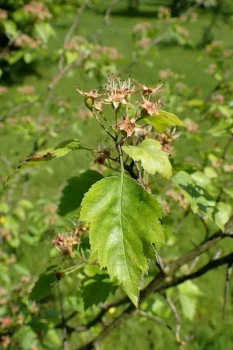
Bigfruit Hawthorn: A Native Treasure for Wildlife-Friendly Gardens
If you’re looking for a native shrub that’s both beautiful and beneficial for wildlife, bigfruit hawthorn (Crataegus macrosperma) might just be the perfect addition to your landscape. This charming North American native offers seasonal interest throughout the year while supporting local ecosystems in ways that non-native plants simply can’t match.
What Makes Bigfruit Hawthorn Special?
Bigfruit hawthorn is a perennial shrub that typically grows as a multi-stemmed woody plant, usually staying under 13-16 feet in height. True to its common name, this hawthorn produces notably large fruits that give it a distinctive character among its hawthorn relatives. While it may go by various scientific synonyms in different references, Crataegus macrosperma is the accepted name for this versatile native plant.
Where Does It Naturally Grow?
This adaptable shrub has an impressive native range across eastern North America. You’ll find bigfruit hawthorn naturally growing from southeastern Canada down through much of the eastern United States. Its native distribution includes states from Maine down to Georgia and as far west as Minnesota, Arkansas, and Louisiana, making it at home in a wide variety of climates and conditions.
- Species observed
- No observations
Why Choose Bigfruit Hawthorn for Your Garden?
There are several compelling reasons to consider this native shrub:
- Seasonal Beauty: White spring flowers create stunning clusters that light up the landscape, followed by attractive large red fruits in fall
- Wildlife Magnet: The flowers attract bees, flies, and other important pollinators, while birds feast on the nutritious fruits
- Native Plant Benefits: As a true native, it supports local ecosystems and requires less maintenance than exotic alternatives
- Adaptability: Tolerates a range of growing conditions, including wet soils where other shrubs might struggle
Important Conservation Note
Before you rush out to plant bigfruit hawthorn, there’s something important to know: this species has a rarity status of S1 in Arkansas, meaning it’s critically imperiled in that state. While this makes it even more special, it also means we need to be responsible about how we grow it. If you’re interested in adding this plant to your garden, make sure to source it from reputable native plant nurseries that propagate their own stock rather than collecting from wild populations.
Growing Bigfruit Hawthorn Successfully
The good news is that bigfruit hawthorn is relatively easy to grow once you understand its preferences:
Hardiness and Climate
This tough native thrives in USDA hardiness zones 3-7, making it suitable for most temperate regions across its native range. It’s quite cold-hardy and can handle the temperature swings that come with changing seasons.
Site Selection and Soil
Bigfruit hawthorn is refreshingly adaptable when it comes to growing conditions. It performs well in full sun to partial shade and tolerates various soil types. One of its standout features is its ability to handle wet conditions, making it an excellent choice for areas where drainage might be challenging for other shrubs.
Planting and Care Tips
- Timing: Plant in spring or fall when temperatures are moderate
- Spacing: Allow plenty of room for the mature size, typically 8-12 feet apart
- Watering: Water regularly the first year to establish roots, then it becomes quite drought-tolerant
- Maintenance: Minimal pruning needed, but you can shape it in late winter if desired
- Fertilization: Generally unnecessary; native soils provide adequate nutrition
Perfect Garden Settings
Bigfruit hawthorn shines in several landscape situations:
- Wildlife gardens: Essential for supporting native pollinators and birds
- Naturalistic landscapes: Perfect for creating authentic native plant communities
- Woodland edges: Ideal transition plant between forest and open areas
- Rain gardens: Its tolerance for wet conditions makes it valuable in water management landscapes
The Bottom Line
Bigfruit hawthorn represents the best of native gardening: a beautiful, low-maintenance shrub that supports wildlife while adding year-round interest to your landscape. Its adaptability to various conditions, combined with its ecological benefits, makes it a smart choice for gardeners who want to make a positive environmental impact.
Just remember to source your plants responsibly, especially given its rarity in some regions. By choosing bigfruit hawthorn, you’re not just adding a lovely shrub to your garden – you’re participating in the conservation of North American native plant heritage while creating habitat for the creatures that depend on these plants for survival.