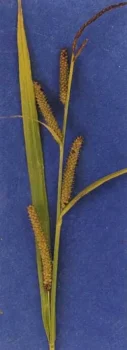
Bigleaf Sedge: The Perfect Native Plant for Your Wet Spots
If you’ve got a soggy spot in your yard that makes you scratch your head every time you look at it, meet your new best friend: bigleaf sedge (Carex amplifolia). This native beauty doesn’t just tolerate wet feet—it absolutely loves them! While many plants throw a tantrum when their roots get waterlogged, this resilient sedge practically does a happy dance in consistently moist conditions.
What Makes Bigleaf Sedge Special?
True to its name, bigleaf sedge sports impressively broad leaves that set it apart from its more delicate sedge cousins. This perennial grass-like plant forms attractive clumps with bright green foliage that brings bold texture and visual interest to any wet area in your landscape.
As a proud native of western North America, bigleaf sedge naturally occurs from British Columbia down through California, Idaho, Montana, Nevada, New Mexico, Oregon, and Washington. This extensive native range makes it a fantastic choice for gardeners looking to support local ecosystems while solving their soggy soil challenges.
- Species observed
- No observations
Why Your Garden Will Love Bigleaf Sedge
Here’s where this plant really shines in the landscape:
- Rain Garden Superstar: Perfect for managing stormwater runoff while looking gorgeous
- Pond and Stream Companion: Creates naturalistic edges around water features
- Bog Garden Beauty: Thrives in those challenging wet spots where other plants fail
- Restoration Rockstar: Excellent for wetland restoration projects
- Texture Champion: Those broad leaves provide wonderful contrast against finer-textured plants
Growing Conditions That Make It Happy
Bigleaf sedge is refreshingly straightforward about its needs. Give it consistently moist to wet soil, and it’ll reward you with healthy, vigorous growth. It’s quite flexible about light conditions, happily growing in full sun to partial shade, though it tends to be most robust with at least some direct sunlight.
This obligate wetland plant means business when it comes to moisture—it almost always occurs in wetlands in its native habitat. Don’t try to grow it in dry conditions; you’ll both be miserable. But if you have that persistently damp area that challenges other plants, this is your golden ticket.
Planting and Care Made Simple
Getting bigleaf sedge established is pretty straightforward. Plant it in spring when the soil is workable, and make sure you can keep it consistently moist during its first growing season. Here are the key care tips:
- Watering: Keep soil consistently moist to wet—this plant is practically impossible to overwater
- Spacing: Allow room for the clumps to expand naturally
- Maintenance: Cut back old foliage in late winter or early spring before new growth emerges
- Division: Divide clumps every 3-4 years if they become too large or you want to spread them around
Hardy in USDA zones 6-9, bigleaf sedge is tough enough to handle winter weather while tender enough to provide soft, graceful movement in summer breezes.
The Bottom Line
If you’re tired of fighting that wet spot in your yard, it’s time to embrace it with bigleaf sedge. This native charmer turns problematic areas into landscape assets while supporting local wildlife habitat. It’s one of those rare plants that’s both beautiful and incredibly functional—the perfect combination for today’s smart gardeners.
So next time you’re standing in your yard, boots squelching in that persistently damp area, remember that bigleaf sedge is out there waiting to transform your wetland woes into a gorgeous garden feature. Your soggy soil just found its perfect match!