Bigleaf Snowbell: A Fragrant Native Gem for Your Woodland Garden
If you’re looking for a native shrub that brings both beauty and ecological value to your garden, let me introduce you to the bigleaf snowbell (Styrax grandifolius). This delightful native plant might not be the showiest specimen in your local nursery, but it’s definitely one of those hidden gems that deserves a spot in more American gardens.
What is Bigleaf Snowbell?
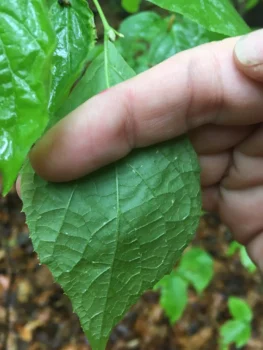
Bigleaf snowbell is a charming perennial shrub that’s native to the lower 48 states. True to its name, this multi-stemmed woody plant produces clusters of fragrant, bell-shaped white flowers that dangle gracefully from its branches each spring. The bigleaf part of its name comes from its notably large, oval leaves that can reach impressive sizes compared to other Styrax species.
As a slow-growing shrub, bigleaf snowbell typically reaches about 10 feet in height at maturity, though it can occasionally stretch up to 20 feet given the right conditions and enough time. Its rhizomatous growth form means it can spread gradually to create natural colonies, making it perfect for naturalizing in woodland settings.
Where Does It Grow Naturally?
This native beauty calls a good chunk of the southeastern and south-central United States home. You’ll find wild populations thriving in Alabama, Arkansas, Florida, Georgia, Illinois, Indiana, Kentucky, Louisiana, Mississippi, North Carolina, Ohio, South Carolina, Tennessee, Texas, and Virginia.
- Species observed
- No observations
Why You’ll Love Growing Bigleaf Snowbell
There are several compelling reasons to consider adding this native shrub to your landscape:
- Fragrant spring blooms: The white, bell-shaped flowers aren’t just beautiful—they’re wonderfully fragrant and appear in spring when you’re most likely to be spending time in your garden
- Pollinator magnet: Those spring flowers are a valuable early-season nectar source for bees, butterflies, and other beneficial insects
- Low maintenance: Once established, this native requires minimal care and is quite drought tolerant
- Ecological value: As a native species, it supports local wildlife and fits naturally into regional ecosystems
- Unique texture: The large leaves with their fuzzy undersides add interesting texture to woodland gardens
Perfect Garden Settings
Bigleaf snowbell shines in woodland gardens and naturalized landscapes where it can mimic its native forest understory habitat. It’s an excellent choice for:
- Woodland and shade gardens
- Native plant gardens
- Naturalized areas where you want a more wild, informal look
- As an understory planting beneath larger trees
- Specimen planting in partially shaded areas
Growing Conditions and Care
The good news is that bigleaf snowbell isn’t particularly fussy, but it does have some preferences that mirror its natural habitat:
Soil: This shrub prefers acidic soil with a pH between 4.5 and 6.5. It adapts well to coarse-textured and medium-textured soils but struggles in fine, clay-heavy soils. Good drainage is essential, as it cannot tolerate waterlogged conditions.
Light: Bigleaf snowbell has intermediate shade tolerance, meaning it thrives in partial shade conditions. Think of the dappled light you’d find on a forest floor—that’s its sweet spot.
Water: While it can handle drought once established, it performs best with moderate, consistent moisture. The plant’s wetland status varies by region, generally preferring upland sites but occasionally tolerating wetter conditions in some areas.
Climate: Hardy in USDA zones 5-9, bigleaf snowbell can handle temperatures as low as -26°F. It needs at least 174 frost-free days and prefers areas with 33-72 inches of annual precipitation.
Planting and Propagation Tips
Here’s where things get a bit challenging: bigleaf snowbell has limited commercial availability, with no known widespread sources. If you do manage to find one, here’s what you need to know:
- Timing: Plant in spring when the soil is workable and the risk of hard frost has passed
- Propagation: The plant can be propagated by cuttings, though seed propagation isn’t recommended due to low seedling vigor
- Care: Mulch around the base to retain moisture and suppress weeds, but keep mulch a few inches away from the stem
- Pruning: Minimal pruning needed—just remove dead, damaged, or crossing branches in late winter
A Few Things to Keep in Mind
While bigleaf snowbell is a wonderful native plant, it’s not without its quirks:
- It’s a slow grower, so patience is required
- Fruit and seed production is generally low
- It has a relatively short lifespan compared to some other native shrubs
- Commercial availability is extremely limited
The Bottom Line
Bigleaf snowbell may not be the easiest native plant to find, but if you can get your hands on one, it’s definitely worth growing. This fragrant, pollinator-friendly shrub brings authentic native character to woodland gardens while requiring minimal maintenance once established. Its spring flowers, attractive foliage, and ecological value make it a worthy addition to any native plant enthusiast’s collection.
Just remember to source your plant responsibly and be prepared for a slow but rewarding growing experience. Sometimes the best garden treasures are the ones that take a little extra effort to find and grow!