Bigtooth Aspen: A Fast-Growing Native Tree for Naturalized Landscapes
If you’re looking for a native tree that grows faster than your neighbor’s gossip spreads, meet the bigtooth aspen (Populus grandidentata). This spirited North American native is like the enthusiastic friend who shows up early to every party – sometimes a bit too enthusiastic, but always bringing something special to the gathering.
What Makes Bigtooth Aspen Special?
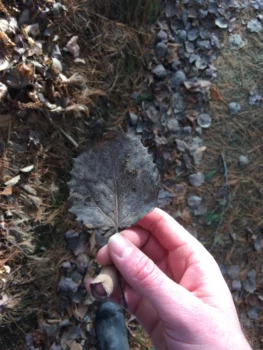
The bigtooth aspen gets its name from its distinctive serrated leaves with pronounced teeth along the edges. These heart-shaped leaves dance and shimmer in the slightest breeze, creating a lovely rustling sound that’s like nature’s own wind chimes. Come fall, they transform into brilliant golden-yellow displays that’ll make you forget all about those fancy ornamental trees at the garden center.
As a perennial tree, this native beauty can reach impressive heights of up to 65 feet at maturity, though you’ll see it hit around 40 feet by its 20th birthday. Don’t worry though – it grows rapidly, so you won’t be waiting decades to see results.
Where Does It Call Home?
This tree is truly a North American native, naturally growing from southeastern Canada down through much of the eastern and central United States. You’ll find wild populations thriving in states from Maine to North Carolina, and west to Minnesota, Iowa, and even parts of the Great Plains region. It’s also native to several Canadian provinces including Ontario, Quebec, and the Maritime provinces.
- Species observed
- No observations
The Good, The Fast, and The Suckering
Let’s be honest about what you’re signing up for with bigtooth aspen. This tree has a live fast, die young philosophy with a relatively short lifespan compared to oaks or maples. But what it lacks in longevity, it makes up for in speed and wildlife value.
Here’s what makes it wonderful:
- Rapid growth rate means quick results
- Gorgeous fall color that rivals any ornamental
- Excellent wildlife tree – provides food and cover for everything from deer to songbirds
- Early spring catkins feed pollinators when little else is blooming
- Great for erosion control and naturalized areas
- Handles cold like a champion (hardy to zone 1!)
But here’s the catch – and there’s always a catch, isn’t there? Bigtooth aspen is a prolific suckerer, meaning it sends up new shoots from its roots. This can be fantastic if you want a grove or thicket, but less ideal if you’re hoping for a single, well-behaved specimen tree.
Is Your Garden Right for Bigtooth Aspen?
This tree shines in naturalized landscapes, large properties, and areas where you want to create wildlife habitat. It’s perfect for:
- Woodland edges and transitional areas
- Windbreaks and privacy screens
- Erosion-prone slopes
- Wildlife gardens and bird habitat areas
- Large rural or suburban properties
However, it might not be the best choice for small, formal gardens or areas where you need predictable, controlled growth.
Growing Conditions That Make It Happy
Bigtooth aspen is surprisingly particular for such a tough native tree. It prefers:
- Full sun (shade tolerance is poor)
- Moist, well-draining soils
- Coarse to medium-textured soils (clay is not its friend)
- pH between 4.8 and 7.2
- Areas with good air circulation
While it can handle some drought once established, it really thrives with consistent moisture. It’s also quite cold-hardy, surviving temperatures down to -43°F, making it suitable for USDA hardiness zones 1 through 6.
Planting and Care Tips
Ready to add this speedy native to your landscape? Here’s how to give it the best start:
Planting: Spring is ideal for planting. Choose a sunny location with plenty of room – remember, this tree will spread via suckers. Plant 300-800 trees per acre if you’re creating a grove, or give a single specimen at least 20-30 feet of space.
Watering: Keep young trees consistently moist but not waterlogged. Established trees are somewhat drought-tolerant but perform best with regular water.
Fertilizing: These trees have medium fertility requirements. A balanced fertilizer in early spring can help, but avoid over-fertilizing which can lead to weak, overly rapid growth.
Pruning: Minimal pruning needed. Remove dead, damaged, or crossing branches in late winter.
Wildlife Benefits That’ll Make You Popular
Plant a bigtooth aspen, and you’ll essentially be opening a wildlife cafeteria. This tree provides 10-25% of the diet for large animals like deer, small mammals like rabbits and squirrels, and terrestrial birds. The early catkins are crucial food sources for pollinators emerging in spring when little else is available.
Cavity-nesting birds love the soft wood for excavating nests, and the tree provides excellent cover throughout the growing season.
The Bottom Line
Bigtooth aspen isn’t for everyone, but for gardeners with space who want to support native wildlife while enjoying rapid growth and stunning fall color, it’s a fantastic choice. Just be prepared for its enthusiastic spreading habit – think of it as getting bonus trees for free!
If you’re working with a smaller space or want more controlled growth, consider other native alternatives like serviceberry or native oaks. But if you have room to let this native beauty do its thing, you’ll be rewarded with years of golden autumn displays and the satisfaction of supporting local ecosystems.