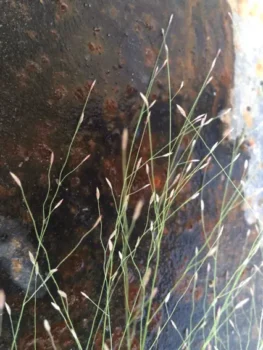
Bigtop Lovegrass: A Rare Native Treasure for Your Garden
Meet bigtop lovegrass (Eragrostis hirsuta), a delicate perennial grass that’s quietly making waves in native plant circles. This fine-textured beauty might not be the showiest plant in your garden, but it packs a powerful punch when it comes to supporting local ecosystems and adding subtle elegance to naturalistic landscapes.
What Makes Bigtop Lovegrass Special?
Bigtop lovegrass is a true American native, naturally occurring across 21 states from Massachusetts down to Florida and west to Texas. As a perennial grass, it returns year after year, developing into graceful clumps that sway gently in the breeze. The plant produces delicate, open flower clusters that add an airy texture to any planting.
You might also see this plant listed under its scientific synonyms, including Eragrostis hirsuta var. laevivaginata or its original name Poa hirsuta, but don’t let the different names confuse you – they’re all referring to our lovely bigtop lovegrass.
Where Does Bigtop Lovegrass Call Home?
This native grass has quite an impressive range, growing naturally in Alabama, Arkansas, Delaware, Florida, Georgia, Illinois, Kentucky, Louisiana, Maryland, Massachusetts, Mississippi, Missouri, New Jersey, North Carolina, Ohio, Oklahoma, South Carolina, Tennessee, Texas, Virginia, and West Virginia.
- Species observed
- No observations
A Word of Caution: Handle with Care
Important note for gardeners: While bigtop lovegrass is a wonderful native plant, it’s considered endangered in New Jersey with a rarity status of S3. This means if you’re interested in growing this special grass, you should only obtain it from reputable native plant nurseries that source their material responsibly – never collect from wild populations!
Growing Bigtop Lovegrass Successfully
The good news is that once you get your hands on some ethically sourced bigtop lovegrass, it’s relatively easy to grow. Here’s what you need to know:
Preferred Growing Conditions
- Full sun exposure
- Well-draining soils
- Drought tolerant once established
- Thrives in USDA hardiness zones 6-9
Wetland Preferences
Bigtop lovegrass generally prefers upland conditions, though its wetland tolerance varies by region:
- Eastern Mountains and Piedmont: Almost never found in wetlands
- Atlantic and Gulf Coastal Plain, Great Plains, Midwest, and Northeast regions: Usually grows in non-wetland areas but can occasionally tolerate some moisture
Planting and Care Tips
- Best planted from seed in fall or early spring
- Requires minimal maintenance once established
- Allow natural dormancy in winter
- Cut back in late winter before new growth emerges
Wildlife and Garden Benefits
While bigtop lovegrass won’t be the star of your local bird buffet (providing only 2-5% of terrestrial birds’ diets), it still plays an important supporting role in the ecosystem. Birds may use it sparsely for cover, and like many native grasses, it likely provides nesting materials and habitat for various small creatures.
In garden design, bigtop lovegrass shines in:
- Prairie and meadow gardens
- Native plant landscapes
- Erosion control projects
- Restoration sites
- Naturalistic borders where you want subtle texture
The Bottom Line
Bigtop lovegrass is a wonderful choice for gardeners who want to support native ecosystems while adding delicate texture to their landscapes. Just remember to source it responsibly given its rare status in some areas. This charming grass proves that sometimes the most unassuming plants can make the biggest difference in creating authentic, sustainable gardens that honor our natural heritage.
If you can’t find bigtop lovegrass from reputable sources, consider other native lovegrass species that might be more readily available in your area – your local native plant society can help guide you toward the best alternatives for your region.