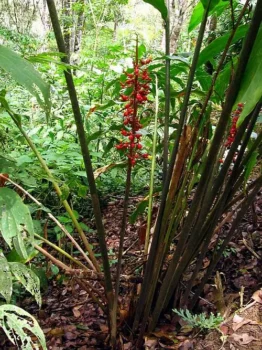
Bijao: A Hidden Gem for Caribbean and Tropical Gardens
Meet bijao (Renealmia occidentalis), a charming native plant that’s been quietly beautifying the landscapes of Puerto Rico and the U.S. Virgin Islands for generations. This understated member of the ginger family might not be the showiest plant in your garden, but it brings a special kind of authentic Caribbean character that’s hard to replicate with non-native species.
What Makes Bijao Special?
Bijao is a perennial forb, which means it’s an herbaceous plant that comes back year after year without developing woody stems like shrubs or trees. Don’t let its humble classification fool you, though – this plant has been an important part of Caribbean ecosystems for centuries. You might also see it listed under its scientific synonyms, including Alpinia occidentalis or Renealmia aromatica, but they’re all referring to the same delightful plant.
Where Bijao Calls Home
This native beauty is naturally found in Puerto Rico and the U.S. Virgin Islands, where it has adapted perfectly to the tropical climate and growing conditions. Its natural range is quite limited, making it a special choice for gardeners in these areas who want to cultivate truly local flora.
- Species observed
- No observations
Why Consider Bijao for Your Garden?
If you’re lucky enough to garden in USDA hardiness zones 10-11, bijao offers several compelling reasons to earn a spot in your landscape:
- Authentic local character: As a true native, it supports local ecosystems and provides habitat that non-native plants simply can’t match
- Low-maintenance appeal: Once established, native plants typically require less water, fertilizer, and pest control than exotic species
- Unique texture: The broad, lance-shaped leaves add a distinctly tropical feel to shade gardens
- Ecosystem support: While specific pollinator relationships aren’t well-documented, native plants generally support local insect and wildlife populations
Perfect Spots for Planting Bijao
Bijao shines in naturalistic and tropical landscape designs, particularly as an understory plant. It’s classified as facultative upland, which means it usually prefers non-wetland conditions but can tolerate occasional moisture. This flexibility makes it suitable for:
- Shaded areas under larger trees or palms
- Tropical shade gardens
- Native plant restoration projects
- Areas with filtered sunlight
Growing Bijao Successfully
Light Requirements: Bijao prefers partial to full shade – think of the dappled sunlight filtering through a forest canopy in its native habitat.
Soil Needs: Well-draining soil that retains some moisture is ideal. The plant appreciates consistent moisture but doesn’t want to sit in waterlogged conditions.
Climate Considerations: This is strictly a tropical plant suitable only for zones 10-11. If you’re gardening outside these zones, bijao won’t survive your winters outdoors.
Care Tips: Once established, bijao is relatively low-maintenance. Keep the soil consistently moist but not soggy, and protect it from intense direct sunlight which can scorch the leaves.
Is Bijao Right for Your Garden?
Bijao is an excellent choice if you’re gardening in Puerto Rico or the U.S. Virgin Islands and want to support native biodiversity while adding authentic tropical character to your landscape. Its modest flowers won’t provide the dramatic color of some exotic alternatives, but its contribution to local ecosystems and its easy-care nature make it a worthy addition to any shade garden in its native range.
For gardeners outside its natural habitat, bijao isn’t a viable option due to its strict climate requirements. Instead, look for native alternatives in your area that can provide similar understory texture and ecosystem benefits.
Whether you’re creating a native plant sanctuary or simply want a piece of authentic Caribbean flora in your garden, bijao offers a wonderful opportunity to connect with the natural heritage of the islands while supporting local wildlife in the process.