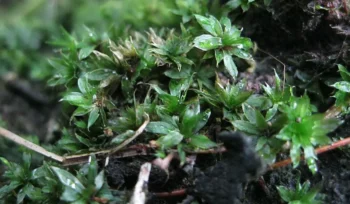
Billarder’s Bryum Moss: A North American Native Worth Knowing
If you’ve ever taken a close look at the tiny green carpets growing on rocks, fallen logs, or tree bark in North American forests, you might have encountered Billarder’s bryum moss without even knowing it. This diminutive native, scientifically known as Bryum billarderi, represents one of nature’s quiet heroes – the humble moss that plays a surprisingly important role in our ecosystems.
What Exactly Is Billarder’s Bryum Moss?
Billarder’s bryum moss is a small, terrestrial moss native to North America. Like all mosses, it’s what botanists call a bryophyte – an ancient group of plants that have been around for hundreds of millions of years, long before flowers or even trees appeared on Earth. You might also see this species referred to by its synonyms, Bryum andicola or Bryum truncorum in some older references.
This moss typically grows as a terrestrial plant, meaning it lives on solid surfaces rather than floating in water. You’ll most commonly find it attached to rocks, fallen logs, tree bark, or other stable surfaces where it can get a good grip.
Where Does It Call Home?
As a North American native, Billarder’s bryum moss has evolved alongside our continent’s ecosystems for thousands of years. However, specific details about its exact geographic range remain somewhat mysterious in the scientific literature – a common situation with many of our smaller native species that haven’t received as much research attention as their showier cousins.
Is This Moss Beneficial for Your Garden?
While you probably won’t be rushing to the nursery to buy Billarder’s bryum moss (and likely wouldn’t find it there anyway), this little plant can actually be quite beneficial if it shows up naturally in your landscape:
- Erosion control: Mosses help hold soil in place and prevent erosion on slopes and exposed areas
- Moisture retention: They act like tiny sponges, helping to maintain humidity in their immediate environment
- Habitat creation: Many small insects and other tiny creatures call moss home
- Natural beauty: Mosses add a lush, forest-like feel to shaded areas where grass struggles
How to Identify Billarder’s Bryum Moss
Honestly, identifying specific moss species can be tricky even for experts – they’re small, and many look quite similar to the naked eye. Billarder’s bryum moss shares the typical characteristics of the bryum genus, but distinguishing it from its close relatives usually requires a magnifying glass and some botanical expertise.
If you’re curious about mosses in your yard, the best approach is to simply appreciate them as beneficial natives without worrying too much about the exact species. Look for:
- Small, green, cushion-like or mat-forming growth
- Attachment to rocks, wood, or bark rather than growing freely in soil
- Tiny, almost hair-like structures (these are the moss equivalent of leaves)
- Preference for shaded, moist areas
Should You Encourage Moss in Your Landscape?
If Billarder’s bryum moss or other native mosses appear naturally in your garden, consider yourself lucky! Rather than trying to remove them, you might want to:
- Avoid using herbicides or fungicides that could harm them
- Maintain some shaded, moist areas where mosses can thrive
- Reduce foot traffic in areas where mosses are establishing
- Consider them a sign of a healthy, low-pollution environment
Remember, mosses like Billarder’s bryum have been quietly doing their job in North American ecosystems long before we arrived. They’re part of the intricate web of native species that makes our landscapes function naturally. While you might not plant them intentionally, learning to appreciate these tiny natives can deepen your connection to the natural world right in your own backyard.