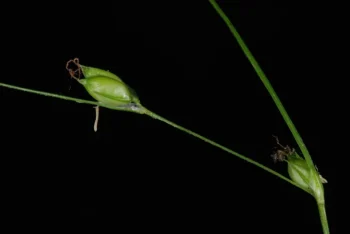
Billings’ Sedge: A Native Wetland Wonder for Your Garden
If you’ve been searching for a native plant that thrives in those persistently soggy spots in your yard, let me introduce you to Billings’ sedge (Carex billingsii). This unassuming little perennial might not win any flashy flower contests, but it’s exactly what your wetland garden has been waiting for.
What Makes Billings’ Sedge Special?
Billings’ sedge is a true North American native, naturally occurring throughout southeastern Canada and the northeastern United States. You’ll find this hardy perennial growing wild from New Brunswick and Nova Scotia down through New England and into the Mid-Atlantic states, including Connecticut, Maine, Massachusetts, New Hampshire, New Jersey, New York, Pennsylvania, Rhode Island, and Vermont.
- Species observed
- No observations
As a member of the sedge family, this grass-like plant forms small, neat clumps with narrow green leaves that add fine texture to wet areas. While it may look like grass to the untrained eye, sedges have their own charm and serve unique ecological roles that regular turf grass simply can’t match.
Why Plant Billings’ Sedge?
Here’s where things get interesting. Billings’ sedge is what botanists call an obligate wetland species, meaning it almost always grows in wet conditions. If you have a spot in your yard that stays consistently moist or downright soggy, this native sedge could be your new best friend.
- Native authenticity: Support local ecosystems by choosing plants that belong in your region
- Low maintenance: Once established in the right conditions, it pretty much takes care of itself
- Wetland specialist: Perfect for rain gardens, pond edges, or naturally wet areas
- Fine texture: Adds delicate, grassy texture to complement bolder wetland plants
- Habitat provider: Offers shelter and structure for small wildlife and insects
Growing Conditions and Care
The secret to success with Billings’ sedge is understanding its love affair with water. This plant thrives in USDA hardiness zones 3 through 7, making it suitable for most northern and temperate climates.
Ideal Growing Conditions:
- Light: Full sun to partial shade
- Soil: Consistently moist to wet soils
- Drainage: Poor drainage is actually preferred – this plant loves soggy feet!
- pH: Adaptable to various soil pH levels
Perfect Garden Spots
Billings’ sedge shines brightest in specialized garden settings where its wetland preferences are an asset rather than a challenge:
- Rain gardens and bioswales
- Pond or water feature margins
- Bog gardens
- Naturalized wetland areas
- Low-lying areas that collect water
Planting and Maintenance Tips
The good news? Billings’ sedge is refreshingly low-fuss once you get it established. Plant it in spring when you can ensure consistent moisture during its establishment period. While specific propagation information varies, most sedges can be grown from seed or divided from existing clumps.
Keep the soil consistently moist – think more like a natural wetland than a typical garden bed. Once established, this native sedge should naturalize and spread gradually, creating a lovely groundcover effect in wet areas.
Should You Plant Billings’ Sedge?
If you have wet areas in your landscape and want to work with nature rather than against it, Billings’ sedge deserves serious consideration. It’s particularly valuable for gardeners interested in native plant landscaping, ecological restoration, or anyone dealing with persistent drainage issues.
However, if your garden tends toward the dry side or you’re looking for a showy ornamental, you might want to explore other options. This sedge is more about quiet functionality than dramatic flair.
For those embracing the native plant movement and sustainable gardening practices, Billings’ sedge represents exactly the kind of locally adapted, ecologically valuable species that can transform challenging wet spots into thriving habitat. Sometimes the most valuable plants are the ones that work behind the scenes, and this humble sedge definitely fits that description.