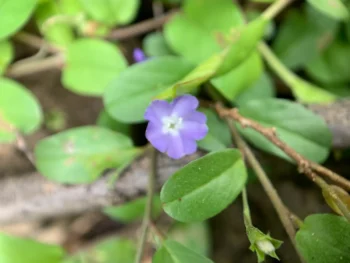
Bindweed Dwarf Morning-Glory: A Small Charmer for Warm Climate Gardens
Meet the bindweed dwarf morning-glory (Evolvulus convolvuloides), a petite perennial that brings tiny bursts of color to gardens in the warmest parts of the United States. Don’t let the bindweed part of its name scare you off – this little charmer is far more civilized than its aggressive relatives!
What Is Bindweed Dwarf Morning-Glory?
Despite its common name, Evolvulus convolvuloides is actually a well-behaved forb that won’t take over your garden like true bindweeds. This low-growing perennial produces delicate, funnel-shaped flowers that typically bloom in shades of blue or white. As an herbaceous plant without woody stems, it dies back to the ground in cooler weather but returns reliably in warm climates.
Where Does It Come From?
This little morning-glory is native to the Caribbean, specifically Puerto Rico and the U.S. Virgin Islands. In the continental United States, it’s considered a non-native species that has naturalized in Florida and Louisiana, where it reproduces on its own in the wild.
- Species observed
- No observations
Should You Plant It in Your Garden?
The bindweed dwarf morning-glory can be a lovely addition to warm-climate gardens, but there are a few things to consider:
The Good Stuff
- Charming small flowers that attract bees and butterflies
- Low-maintenance once established
- Excellent drought tolerance
- Perfect for rock gardens and containers
- Non-aggressive growth habit
Things to Keep in Mind
- Not native to the continental U.S.
- Only suitable for USDA zones 9-11
- May self-seed in ideal conditions
If you’re passionate about native plants, consider exploring indigenous alternatives that provide similar benefits to local wildlife and ecosystems.
Growing Bindweed Dwarf Morning-Glory Successfully
Perfect Growing Conditions
This sun-loving plant thrives in bright, full-sun locations with well-draining soil. It’s quite adaptable to different soil types but absolutely cannot tolerate waterlogged conditions. Once established, it’s remarkably drought-tolerant, making it perfect for xeriscaping projects.
Hardiness Zones
Bindweed dwarf morning-glory is only hardy in USDA zones 9-11, which limits its outdoor cultivation to the warmest parts of the country. In cooler areas, you might be able to grow it as an annual or in containers that can be moved indoors.
Planting and Care Tips
- Plant in spring after the last frost date
- Choose a sunny location with excellent drainage
- Water regularly until established, then reduce watering
- No need for fertilizer in most soils
- Deadhead spent flowers to encourage more blooms
- Allow some flowers to go to seed if you want natural reseeding
Garden Design Ideas
This compact groundcover works beautifully in several landscape settings:
- Rock gardens and succulent displays
- Container gardens and hanging baskets
- Xeriscaped areas and drought-tolerant plantings
- Tropical and subtropical garden themes
- Border edges and pathway plantings
Supporting Pollinators
While not native to most of the continental U.S., bindweed dwarf morning-glory does provide nectar for small bees and butterflies. However, for maximum ecological benefit, consider supplementing your garden with native plants that have co-evolved with local pollinator species.
The Bottom Line
Bindweed dwarf morning-glory can be a delightful addition to warm-climate gardens, especially for gardeners who appreciate low-maintenance plants with charming flowers. While it’s not native to most of the United States, it’s also not considered invasive or problematic. If you decide to grow it, you’ll be rewarded with a tough little plant that asks for very little while delivering consistent beauty throughout the growing season.
Just remember – if you’re gardening in zones 8 and below, you’ll need to treat this tropical beauty as an annual or container plant. But for those lucky enough to garden in the warmest zones, this could be just the groundcover you’ve been looking for!