Birdbill Woodoats: A Graceful Native Grass for Southern Gardens
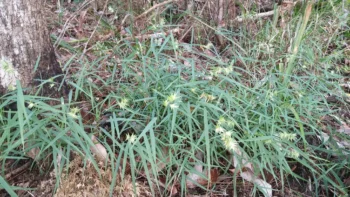
If you’re looking to add some native charm to your Southern garden, let me introduce you to one of nature’s most elegantly named grasses: birdbill woodoats (Chasmanthium ornithorhynchum). This delightful perennial grass gets its quirky common name from its distinctive seed heads that really do look like tiny bird bills dangling in the breeze!
What Makes Birdbill Woodoats Special?
Birdbill woodoats is a true Southern native, naturally growing across Alabama, Florida, Louisiana, Mississippi, North Carolina, and South Carolina. As a member of the grass family, this perennial brings a gentle, naturalistic feel to any landscape with its graceful, drooping seed heads that dance with every whisper of wind.
- Species observed
- No observations
What really sets this grass apart is its elegant form and low-maintenance nature. Once you see those characteristic birdbill seed heads swaying in your garden, you’ll understand why this native beauty deserves a spot in more Southern landscapes.
Where Does Birdbill Woodoats Thrive?
This adaptable grass has some interesting preferences that make it perfect for specific garden situations:
- Loves moist to wet soils, making it ideal for rain gardens
- Thrives in partial shade to full sun conditions
- Classified as a facultative wetland plant, meaning it’s happiest with consistent moisture
- Hardy in USDA zones 7-9, perfectly suited for its native Southern range
Perfect Garden Roles for This Native Beauty
Birdbill woodoats shines in several landscape scenarios:
- Rain gardens: Its love for moist conditions makes it a natural choice
- Naturalized areas: Perfect for creating that wild meadow look
- Woodland edges: Thrives in the dappled light of tree margins
- Native plant gardens: A must-have for authentic regional landscapes
- Accent planting: Use as a specimen to add texture and movement
Wildlife and Ecological Benefits
While birdbill woodoats is wind-pollinated rather than a major pollinator magnet, it still provides valuable habitat structure for beneficial insects and small wildlife. Native grasses like this one help create the diverse plant communities that support healthy ecosystems in Southern landscapes.
Growing Birdbill Woodoats Successfully
The good news? This native grass is refreshingly low-maintenance once established. Here’s what you need to know:
- Soil: Adaptable to various soil types, but prefers consistently moist conditions
- Water: Regular watering during establishment, then benefits from natural rainfall and supplemental watering during dry spells
- Light: Partial shade to full sun – quite flexible!
- Maintenance: Minimal care required; you can cut back in late winter if desired
Is Birdbill Woodoats Right for Your Garden?
Consider planting birdbill woodoats if you:
- Want to support native plant biodiversity in the Southeast
- Have a spot that tends to stay moist or wet
- Love the look of ornamental grasses but want a native option
- Are creating a rain garden or naturalistic landscape
- Appreciate low-maintenance plants with unique character
This charming native grass might not be the flashiest plant in your garden, but its graceful presence and ecological value make it a worthy addition to any Southern landscape. Plus, you’ll get to enjoy telling visitors about your birdbill grass – and watching their faces when those distinctive seed heads catch their eye!