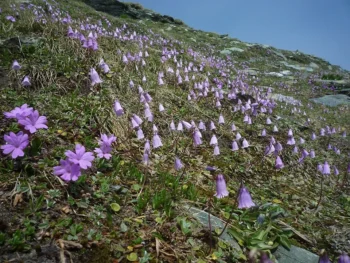
Birdeye Primrose: A Delicate Northern Native for Specialized Gardens
If you’re looking for a charming little native wildflower that’s as tough as it is beautiful, meet the birdeye primrose (Primula laurentiana). This petite perennial might just be the perfect addition to your rock garden or alpine collection – though it definitely has some specific preferences that make it a plant for the more adventurous gardener.
What Makes Birdeye Primrose Special
Birdeye primrose is a delightful native forb that brings a splash of pink to purple color to cool, northern landscapes. Standing just 4-15 centimeters tall (that’s roughly 2-6 inches for those of us still thinking in imperial), this little beauty produces clusters of small, cheerful flowers that seem to wink at you from rocky crevices and moist meadows.
As a true perennial, birdeye primrose returns year after year, though don’t expect rapid expansion – this is a slow and steady grower that takes its time establishing itself in the garden.
Where Birdeye Primrose Calls Home
This charming native has quite the northern pedigree. You’ll find birdeye primrose naturally growing across eastern Canada, including New Brunswick, Nova Scotia, Ontario, and Quebec, as well as Labrador and Newfoundland. In the United States, it makes its home in Maine, representing the southernmost edge of its natural range.
- Species observed
- No observations
The plant thrives in USDA hardiness zones 2-5, making it an excellent choice for gardeners in the coldest parts of North America who want to showcase truly local flora.
Is Birdeye Primrose Right for Your Garden?
Here’s where we get real about this little beauty – birdeye primrose isn’t your typical plant it and forget it perennial. This species has some very specific needs that make it better suited for specialized gardens rather than general landscaping.
Perfect Garden Settings
Birdeye primrose absolutely shines in:
- Rock gardens with good drainage
- Alpine plant collections
- Native plant demonstration gardens
- Cool, moist woodland edges
- Specialized wildflower meadows
Growing Conditions That Make It Happy
Think cool mountain meadow and you’ll be on the right track. Birdeye primrose prefers:
- Cool temperatures year-round
- Consistently moist (but not waterlogged) soil
- Well-draining, preferably calcareous soils
- Partial shade to filtered sunlight
- Protection from hot afternoon sun
Its facultative wetland status means it can handle both wet and drier conditions, but it definitely leans toward the moister side of things.
Planting and Care Tips
Successfully growing birdeye primrose requires some patience and attention to detail:
- Plant in early spring or fall when temperatures are cool
- Ensure excellent drainage while maintaining consistent moisture
- Mulch lightly to keep roots cool and retain moisture
- Avoid fertilizing – this plant prefers lean conditions
- Provide protection from harsh winter winds
- Be patient – establishment can take 2-3 years
Wildlife and Pollinator Benefits
While small in stature, birdeye primrose pulls its weight in supporting local ecosystems. The flowers attract various small pollinators, including flies and small native bees that are specifically adapted to work with these diminutive blooms. It’s particularly valuable because it blooms when many other native flowers are just getting started for the season.
The Bottom Line
Birdeye primrose is definitely not a beginner’s plant, but for gardeners in northern climates who love a challenge and want to showcase true regional natives, it’s absolutely worth the effort. This little charmer offers authentic local beauty and supports native pollinators in a way that few other plants can.
If you’re in zones 6 and warmer, or if you prefer low-maintenance gardening, you might want to consider other native primrose species better suited to your conditions. But if you’re in the right climate zone and ready for a rewarding gardening adventure, birdeye primrose might just become your new favorite native gem.