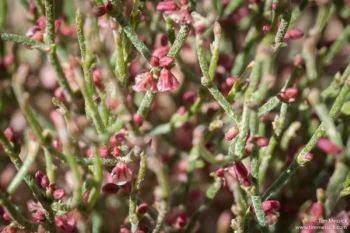
Birdnest Buckwheat: A Charming Native Annual for Water-Wise Gardens
If you’re looking for a low-maintenance native plant that brings both charm and ecological benefits to your garden, meet birdnest buckwheat (Eriogonum nidularium). This delightful little annual might not be the showiest plant in the garden center, but it packs a surprising punch when it comes to supporting local wildlife and thriving in tough conditions.
What Makes Birdnest Buckwheat Special?
Birdnest buckwheat gets its quirky common name from the distinctive rounded, nest-like clusters of flowers it produces. As an annual forb (that’s garden-speak for a non-woody flowering plant), this native beauty completes its entire life cycle in one growing season. Don’t let its modest size fool you – this plant is a workhorse in drought-tolerant landscapes.
You might also encounter this plant listed under its botanical synonym, Eriogonum vimineum Douglas ex Benth. ssp. nidularium, but Eriogonum nidularium is the accepted name today.
Where Does It Call Home?
This native gem naturally occurs across the western United States, thriving in Arizona, California, Idaho, Nevada, Oregon, and Utah. It’s perfectly adapted to the challenging conditions of the American West, making it an excellent choice for gardeners in these regions who want to work with nature rather than against it.
- Species observed
- No observations
Garden Appeal and Design Role
While birdnest buckwheat won’t win any contests for size or flashy blooms, its subtle beauty lies in the details. The small white to pinkish flowers cluster together in dense, rounded heads that create interesting textural contrast in the garden. When the flowers fade and dry, they maintain their nest-like structure, providing visual interest well into the fall.
This plant shines in:
- Rock gardens and xeriscaping
- Native plant gardens
- Naturalized landscapes
- Ground cover for challenging, dry spots
Perfect Growing Conditions
One of the best things about birdnest buckwheat is how easy it is to please. This tough little annual thrives in USDA hardiness zones 4-9, though as an annual, it’s more about having a long enough growing season than surviving winter cold.
Give it these conditions, and it’ll be happy:
- Full sun exposure
- Well-draining, sandy or rocky soil
- Alkaline soil conditions (though it’s adaptable)
- Minimal water once established
Planting and Care Made Simple
Here’s where birdnest buckwheat really wins points with busy gardeners – it practically takes care of itself. Direct seed in fall or early spring when soil temperatures are cool. The seeds need some chill time to germinate properly, so don’t worry about planting too early.
Once your plants are established, step back and let them do their thing. Overwatering is more likely to harm them than help them. These plants have evolved to thrive with minimal moisture, so resist the urge to pamper them with frequent watering.
As a self-seeding annual, birdnest buckwheat will likely return on its own each year if you let some flowers go to seed. Just let nature take its course!
Wildlife and Pollinator Benefits
Don’t underestimate this modest plant’s ecological value. Birdnest buckwheat is a magnet for small native bees, beneficial insects, and butterflies during its blooming period. These pollinators are crucial for a healthy garden ecosystem, and native plants like this one provide them with the specific resources they’ve evolved to use.
The dense flower clusters offer an excellent landing platform for small pollinators, while the extended blooming period provides reliable nectar sources during the growing season.
Is Birdnest Buckwheat Right for Your Garden?
If you’re gardening in the western United States and looking for a low-maintenance, drought-tolerant native that supports local wildlife, birdnest buckwheat deserves a spot in your garden. It’s particularly perfect for those challenging dry spots where other plants struggle, and it asks for almost nothing in return.
While it may not provide the dramatic impact of showier natives, birdnest buckwheat offers something equally valuable: reliable beauty, ecological benefits, and the satisfaction of growing a plant that truly belongs in your local landscape. Sometimes the best garden plants are the ones that simply fit in perfectly and do their job without fuss.