Birdwing Fern: A Tropical Beauty for Shaded Gardens
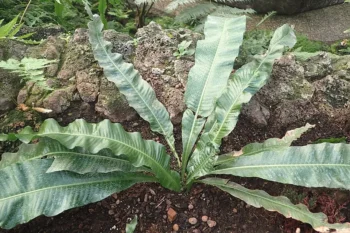
Meet the birdwing fern (Campyloneurum latum), a stunning tropical fern that’s sure to turn heads in any shaded garden space. With its distinctive broad, wing-like fronds and glossy green appearance, this native Caribbean beauty brings an instant touch of the tropics to your landscape.
What Makes the Birdwing Fern Special
The birdwing fern gets its common name from its remarkably broad, leathery fronds that spread out like wings. Unlike many delicate ferns, this species has substantial, glossy foliage that creates bold textural interest in the garden. As a perennial forb (a non-woody vascular plant), it maintains its tropical appeal year-round in suitable climates.
Where It Calls Home
This beautiful fern is native to Puerto Rico and the U.S. Virgin Islands, where it thrives in the warm, humid conditions of the Caribbean. Its natural range makes it perfectly adapted to tropical and subtropical environments.
- Species observed
- No observations
Is the Birdwing Fern Right for Your Garden?
If you’re gardening in USDA hardiness zones 10-11, the birdwing fern could be an excellent addition to your landscape. Here’s what makes it appealing:
- Creates instant tropical ambiance with its bold, wing-like fronds
- Thrives in shaded areas where many other plants struggle
- Low-maintenance once established in the right conditions
- Adds year-round green structure to your garden
- Perfect for naturalistic or tropical-themed landscapes
However, gardeners in cooler climates will find this fern challenging to grow outdoors, as it requires consistently warm temperatures and high humidity to thrive.
Creating the Perfect Home for Your Birdwing Fern
Success with birdwing ferns comes down to mimicking their natural Caribbean habitat:
- Light conditions: Partial to full shade – avoid direct sunlight which can scorch the fronds
- Soil needs: Well-draining but consistently moist soil with good organic content
- Humidity: High humidity is essential – consider grouping with other tropical plants
- Protection: Shield from strong winds that can damage the broad fronds
Design Ideas and Garden Roles
The birdwing fern shines as an understory plant beneath taller tropical specimens or as a foundation planting along shaded walls. Its substantial size and bold texture make it an excellent specimen plant for creating focal points in shaded areas. Consider pairing it with other tropical foliage plants for a lush, layered look.
Wildlife and Ecosystem Benefits
While ferns don’t produce flowers to attract pollinators, they play important roles in tropical ecosystems. The birdwing fern can provide shelter for small creatures and contribute to the overall biodiversity of your garden when grown in its native range.
The Bottom Line
For gardeners in tropical zones looking to add bold, architectural foliage to shaded spaces, the birdwing fern is a fantastic native choice. Its low-maintenance nature and striking appearance make it a winner for tropical and subtropical landscapes. Just remember – this is definitely a warm-climate plant that won’t tolerate cold temperatures or low humidity.
If you’re outside its ideal growing zones but love the tropical fern look, consider exploring cold-hardy native ferns in your area that can provide similar textural interest adapted to your local climate.